WELCOME
欢迎
Welcome
- Date
- May 2024 - Oct 2024
- Location
- Nanshan, Shenzhen, China
- Size
- 3m*2m*2m
- Material
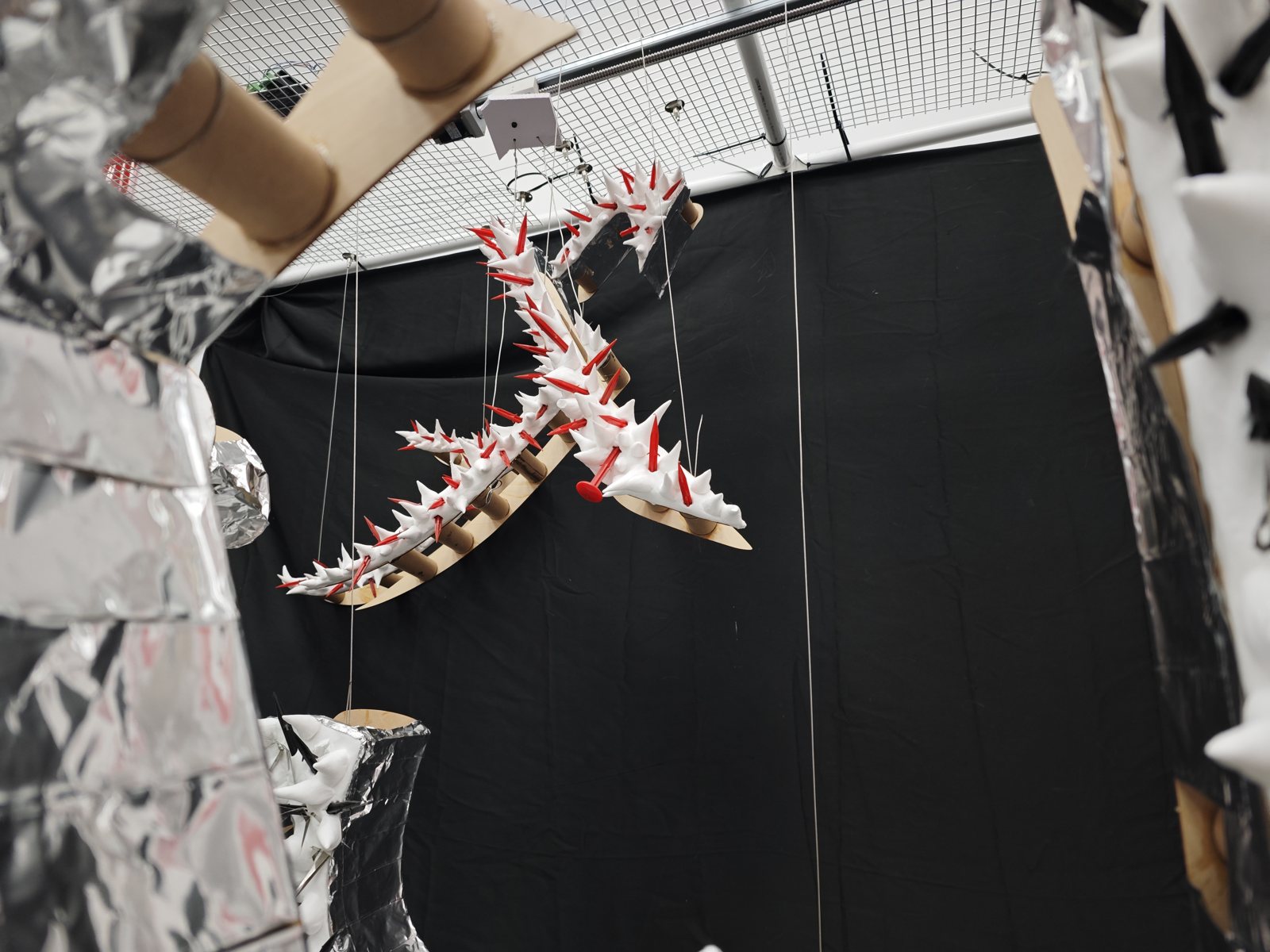
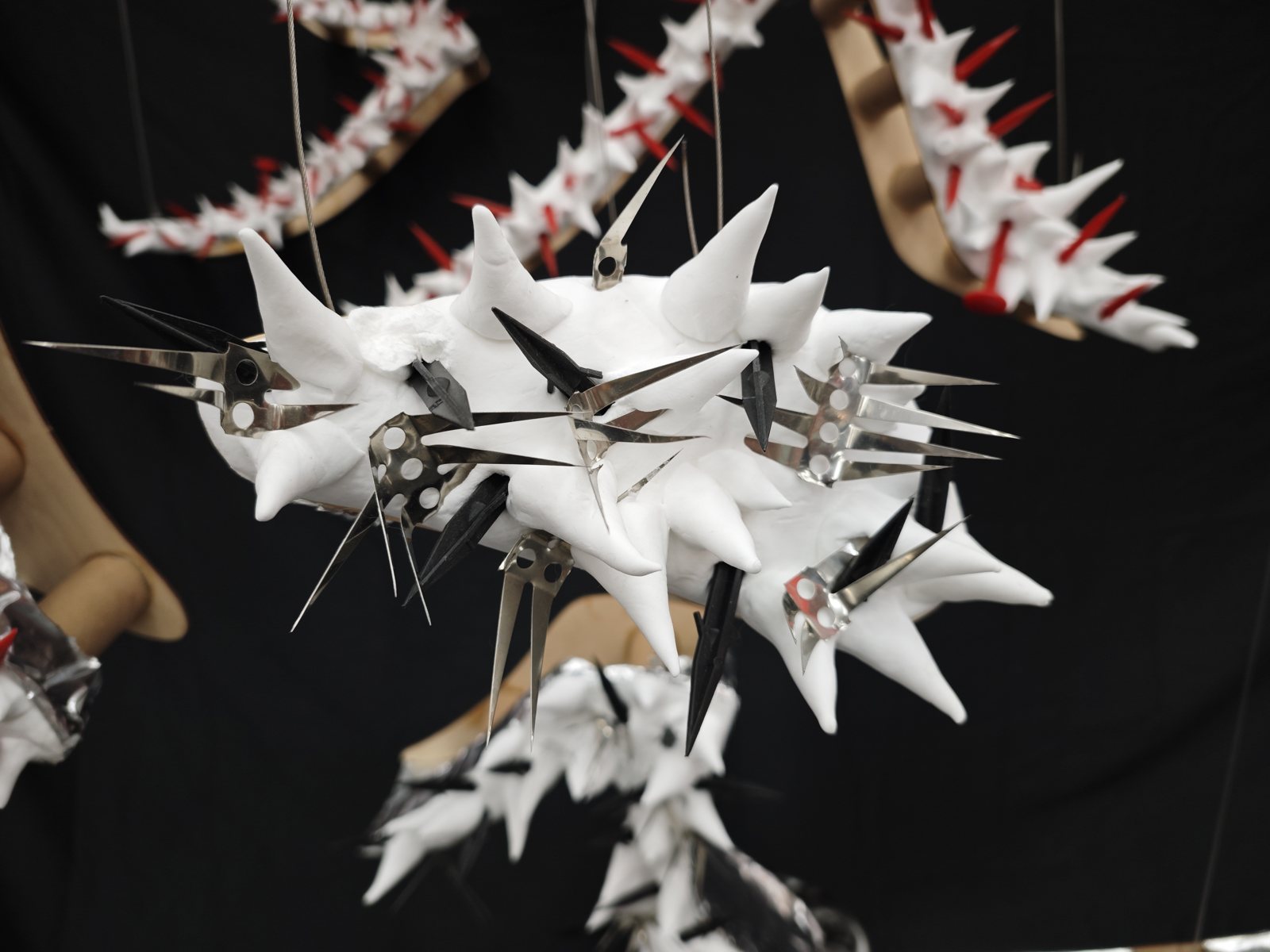
- board, bird spikes, light clay, paper tube, tinfoil, electronic motor
CONCEPTUALIZATION
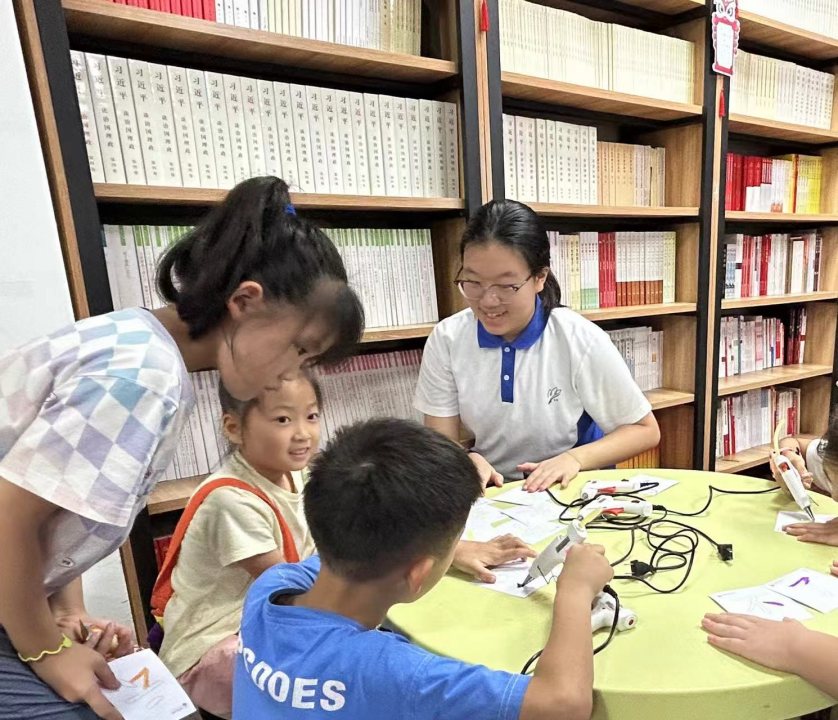
The concept of this installation was born from a session at a community class designed for children struggling with reading or cognitive challenges. I was the instructor that day.
After we wrapped up, the children, restless yet curious, gathered around a table as we began to read a picture book together. Their attention floated, dispersing like bubbles in soda—tiny sparks of focus rising only to burst and disappear. These bubbles, fragile and unrestrained, slowly dissolved into the air, merging with the room, slipping beyond my reach.
We were reading a picture book about dinosaurs, a subject I had hoped would tether their wandering minds. I turned the page to reveal the Tyrannosaurus Rex. At that moment, the air seemed to shift, and the children’s eyes—scattered just moments ago—began to gravitate back toward the book.
Then, the small boy beside me, just five years old and not yet in school, a child who struggles so deeply to make sense of written words, suddenly blurted out, "Sissi, I don't want to look at dinosaurs anymore!"
I paused. This was strange. After all, his two great loves were pizza and dinosaurs, especially the T. Rex.
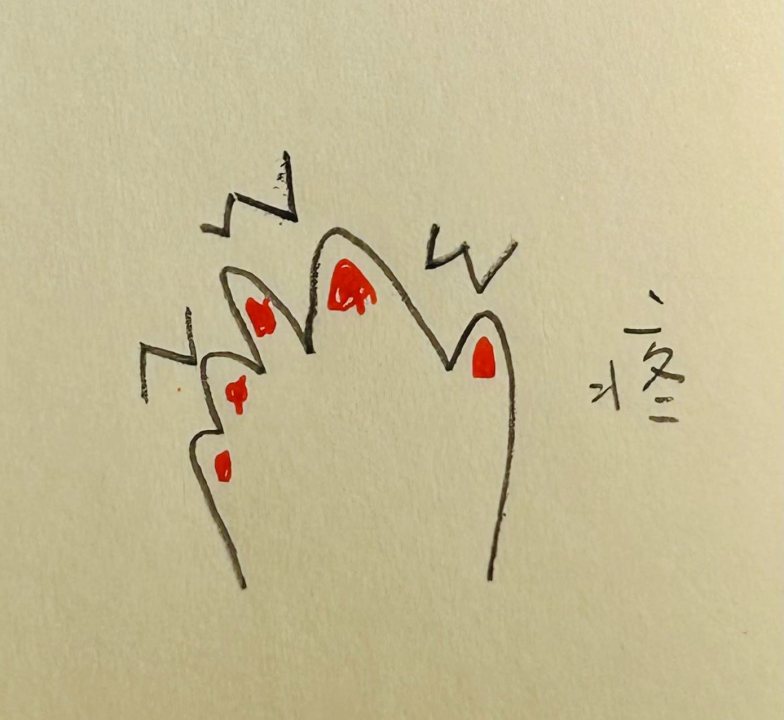
I asked him why. His voice, small yet bursting with an almost desperate frustration, answered: "When I point at the book, my finger hurts. I can’t grab onto the words—they’re slipping away, all twisted and wrong. It feels like the words in the book are stabbing me."
In that moment, through the raw pain etched into his tiny face and clenched hand, I felt, perhaps for the first time, the profound helplessness that resides in such struggle. There was something sharp, ungraspable, in his gaze—a kind of deep ache I had never fully understood. It was as though he was battling a storm within the confines of his own mind, a storm I could barely touch. I realized then that I wanted to hold onto this moment, not just for him, but for the hundreds of others like him, and translate it into something tangible, something visceral. Through the medium of installation art, I wanted to preserve this fleeting yet profound experience.
RESEARCH
HOW DO DYSLEXIC KIDS READ TEXTS?
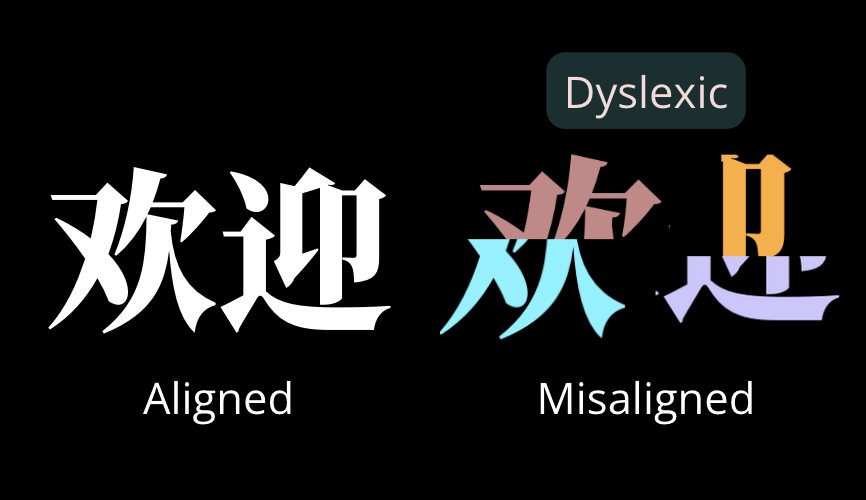
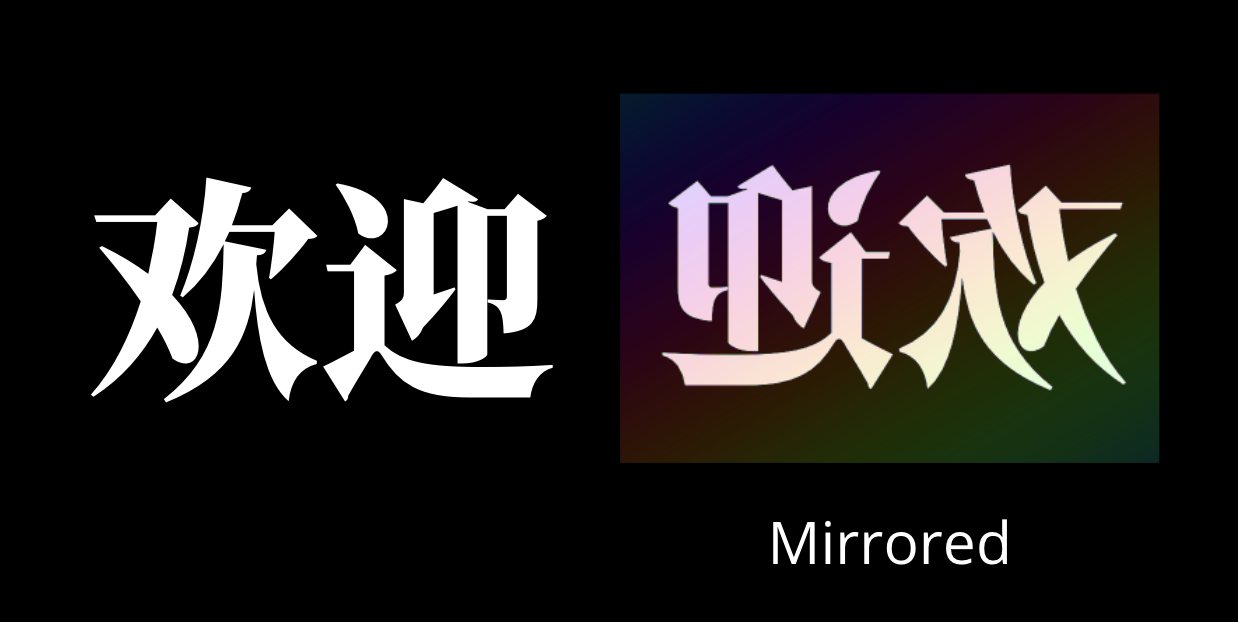
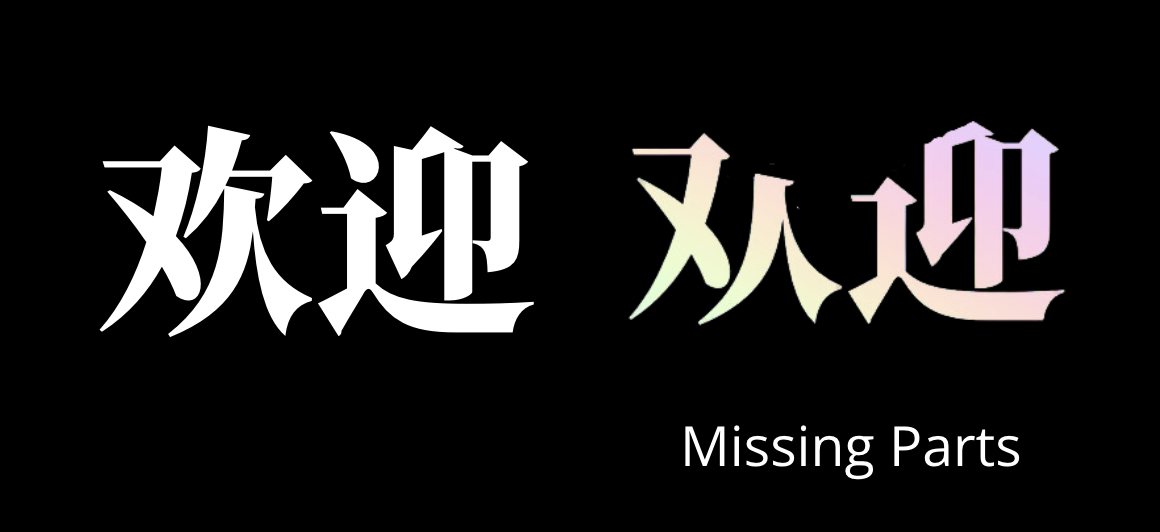
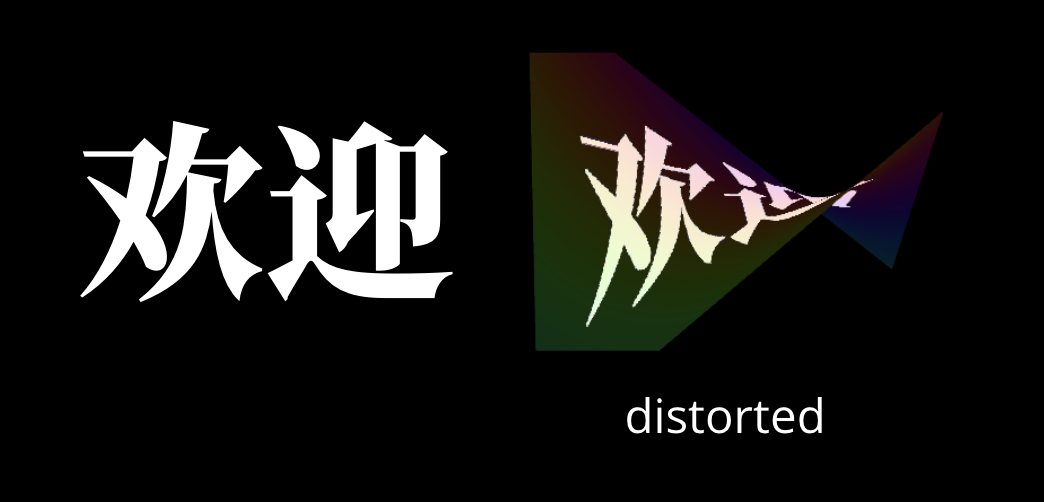
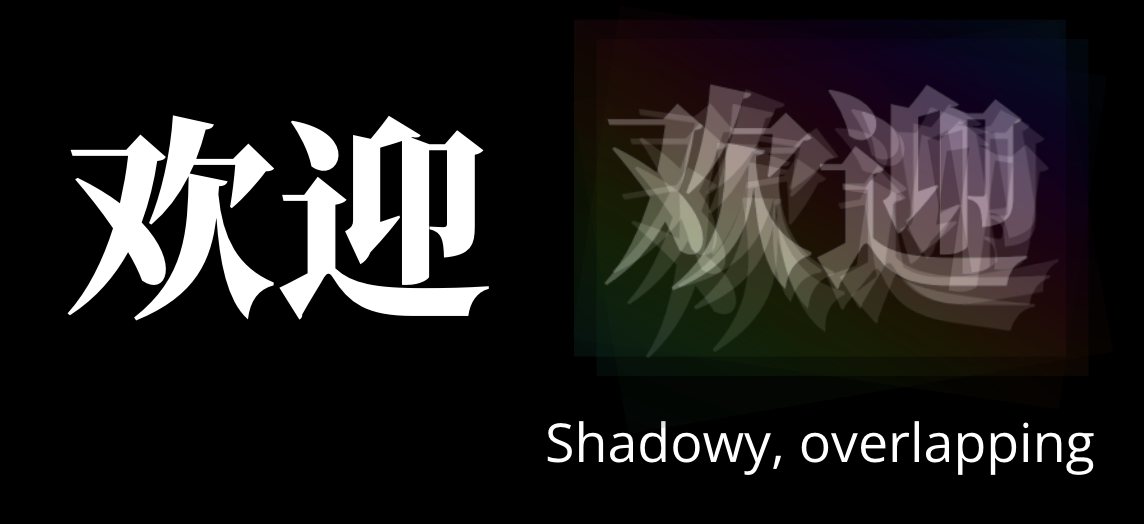
Most of the time, these ways of perception don't occur alone, they would combine and create images tougher to decode for dyslexic kids.
NEUROBIOLOGY OF DYSLEXIA
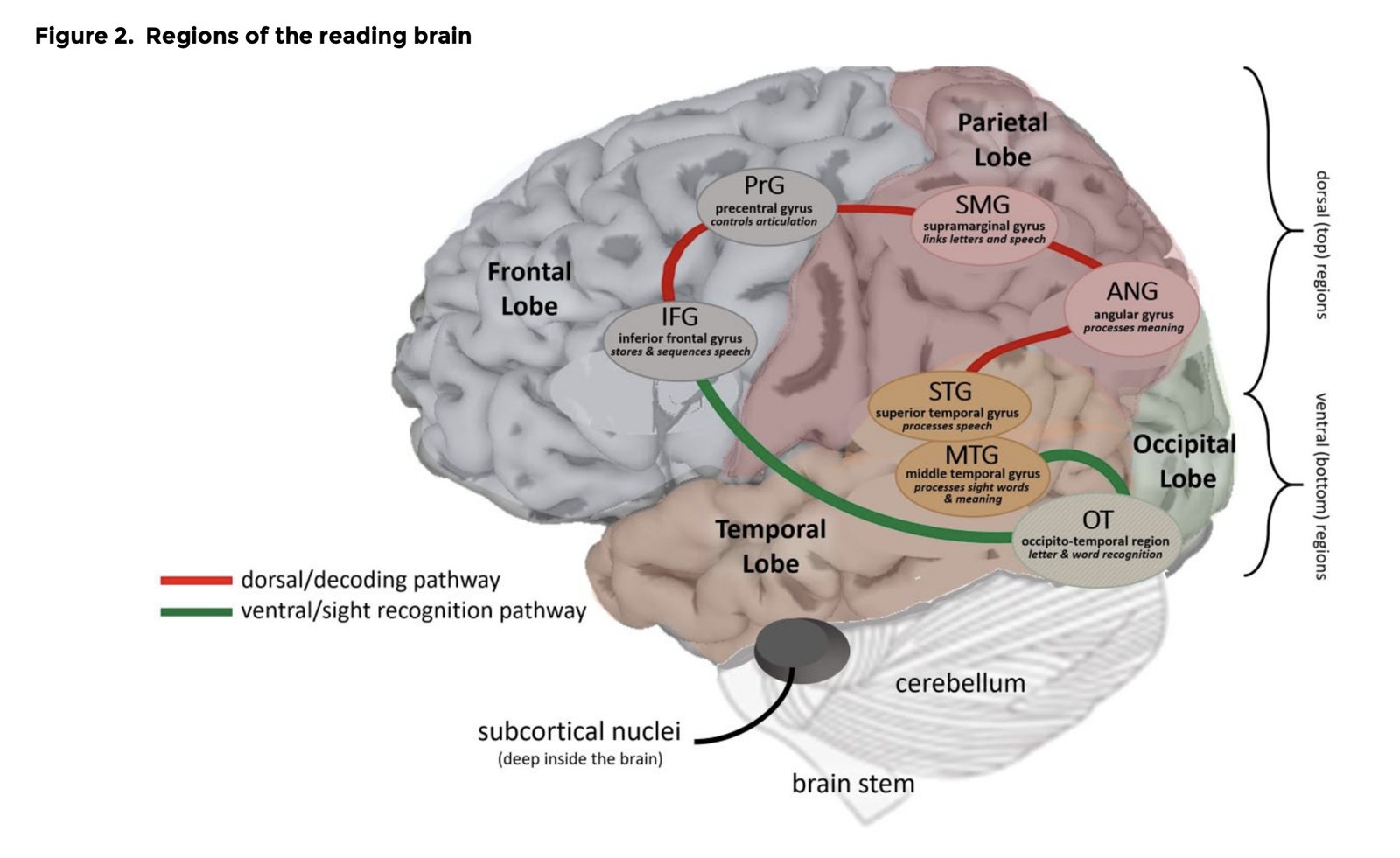
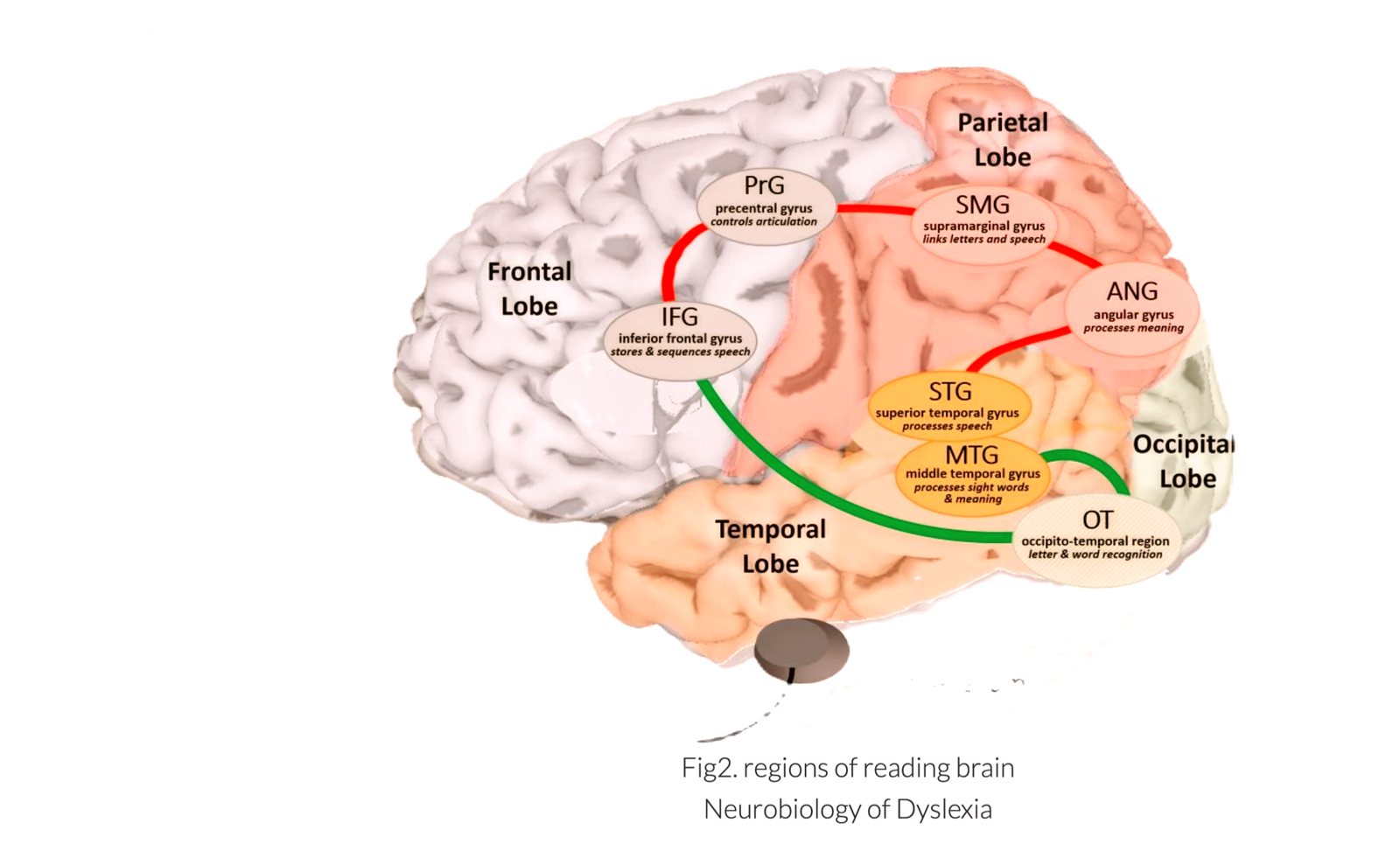
Fig2. Regions of reading brains
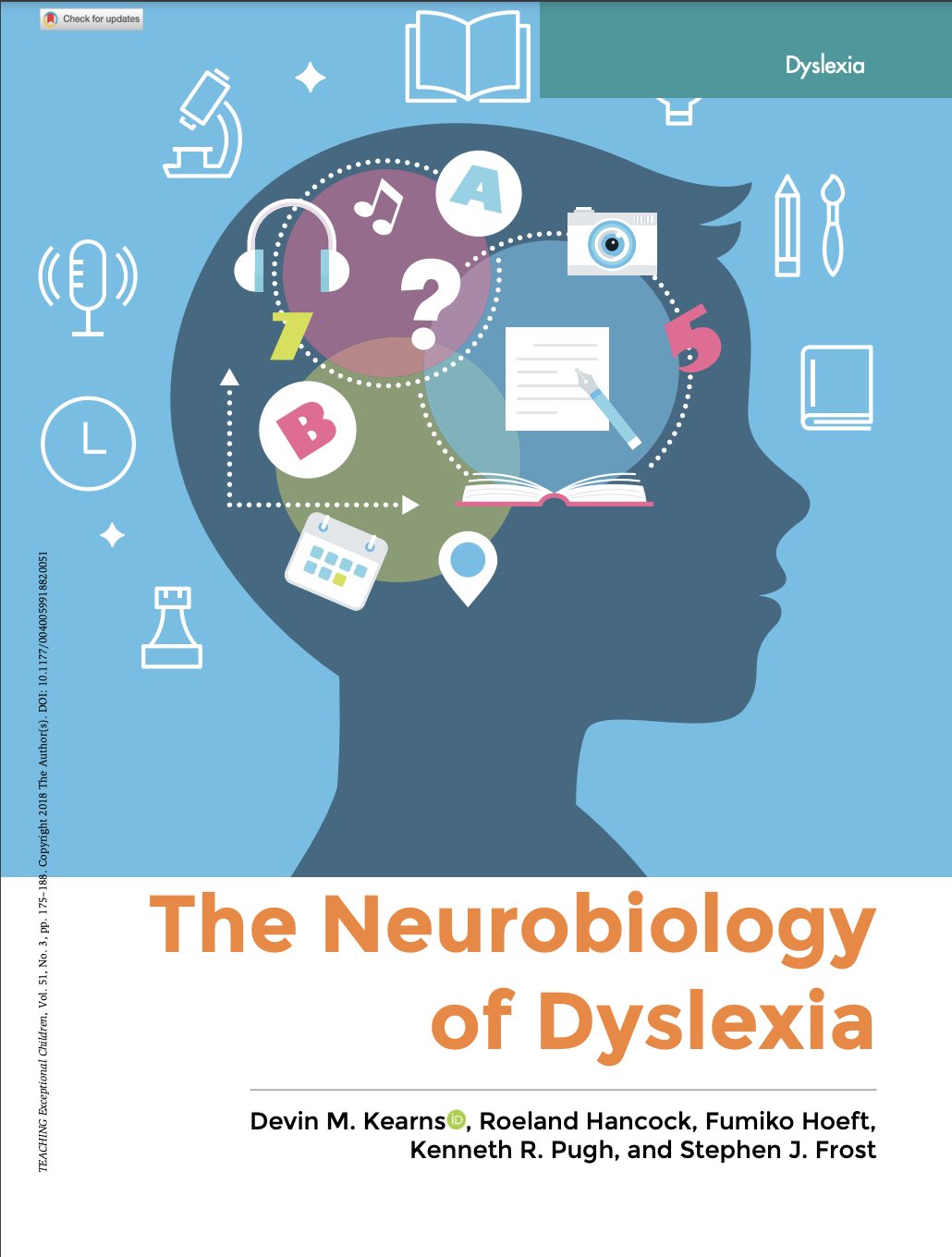
The primary difference between developing readers with dyslexia and their peers with typical reading skills is that those with dyslexia show less increase in brain activation in the temporoparietal regions and the occipitotemporal regions during reading and rhyming tasks.
Click to download the book ↗From a scientific standpoint, children with dyslexia often experience spatial distortions when they read Chinese characters. The complexity of each character—made up of multiple radicals and components—can lead to a visual jumble. The characters twist, the radicals slip out of place, and their eyes leap across the page, missing the steady rhythm that most of us take for granted. My installation focuses precisely on this: the misalignment and overlapping of different character components, the chaos where meaning falls apart.
BRAINSTORM
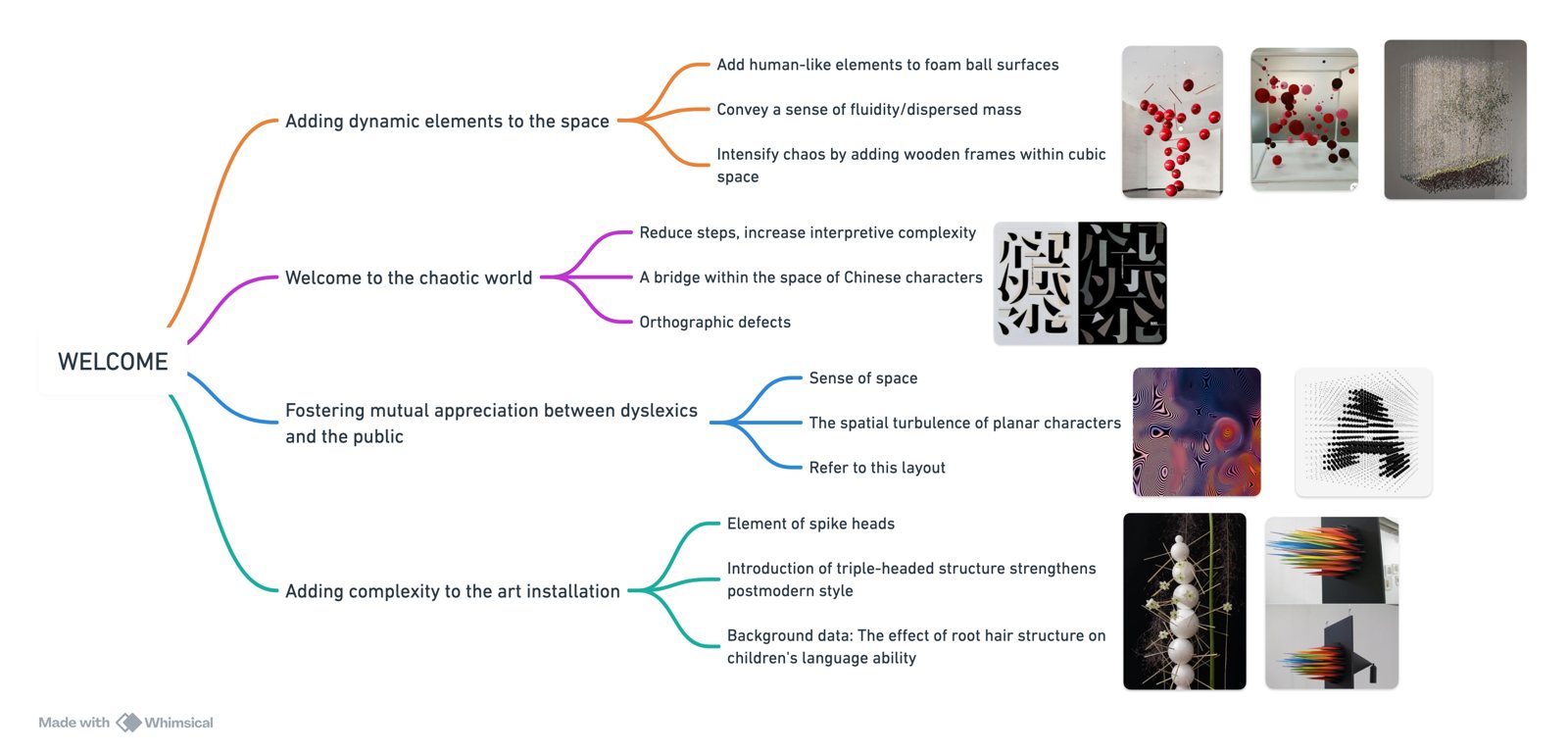
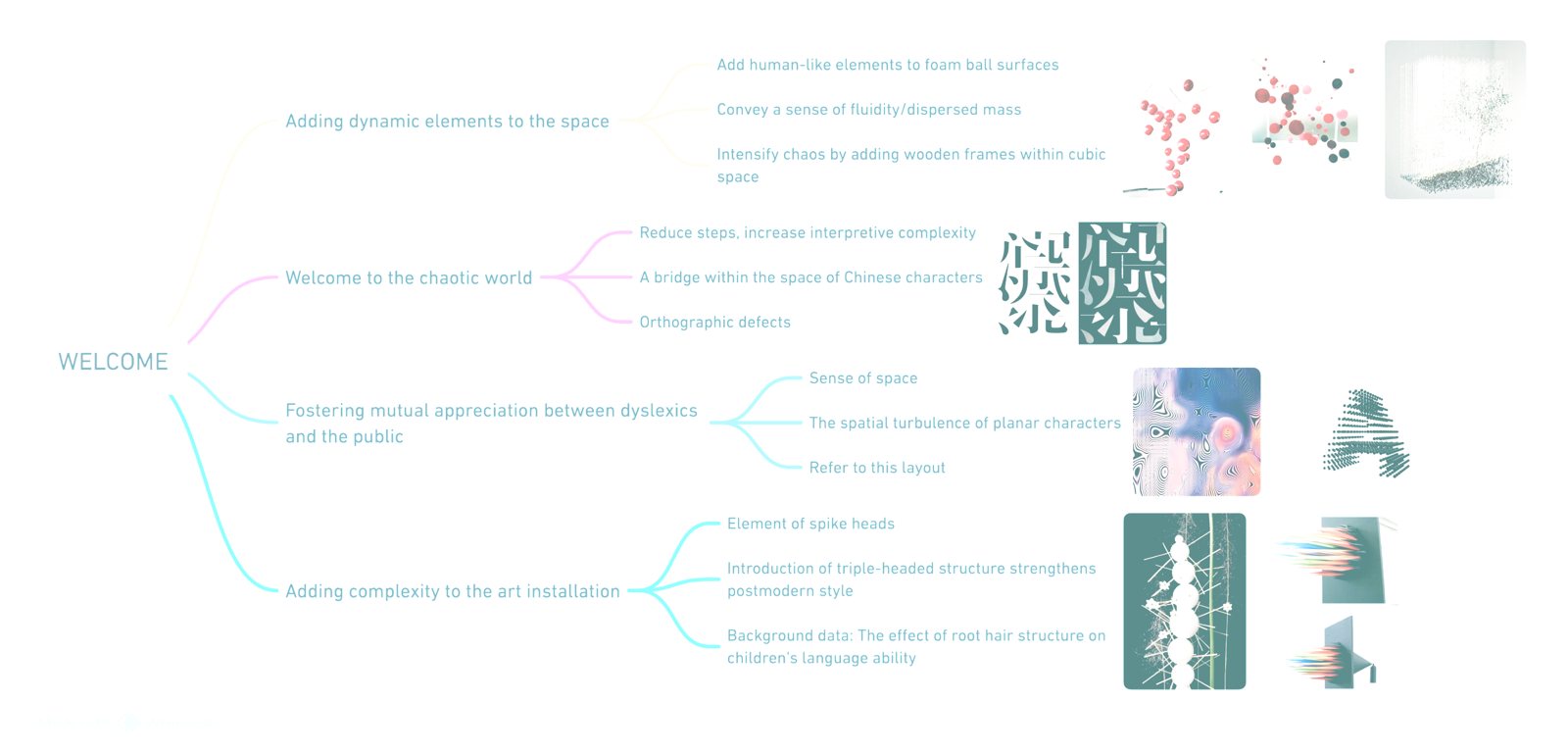
PROJECT SKETCH
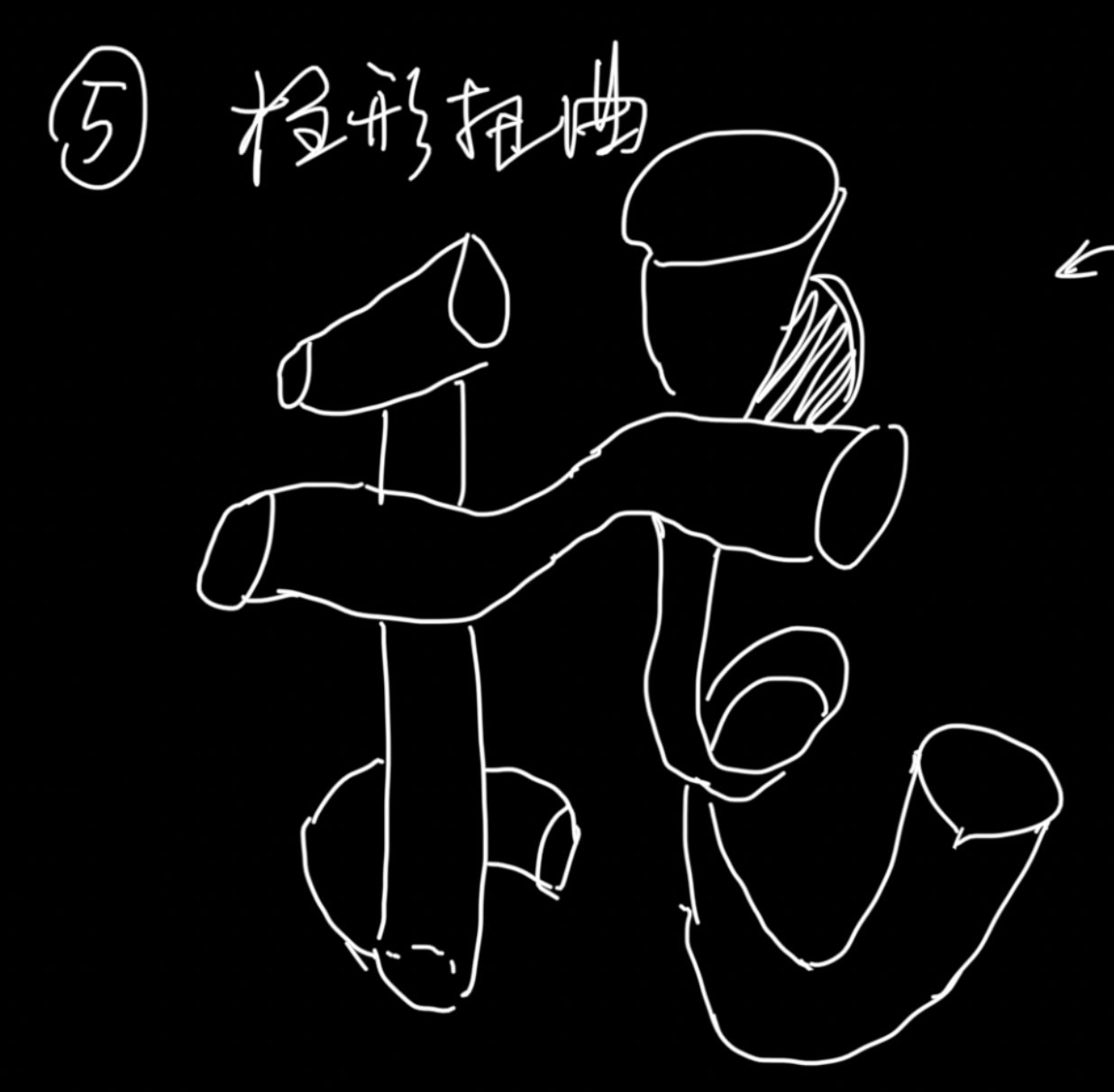
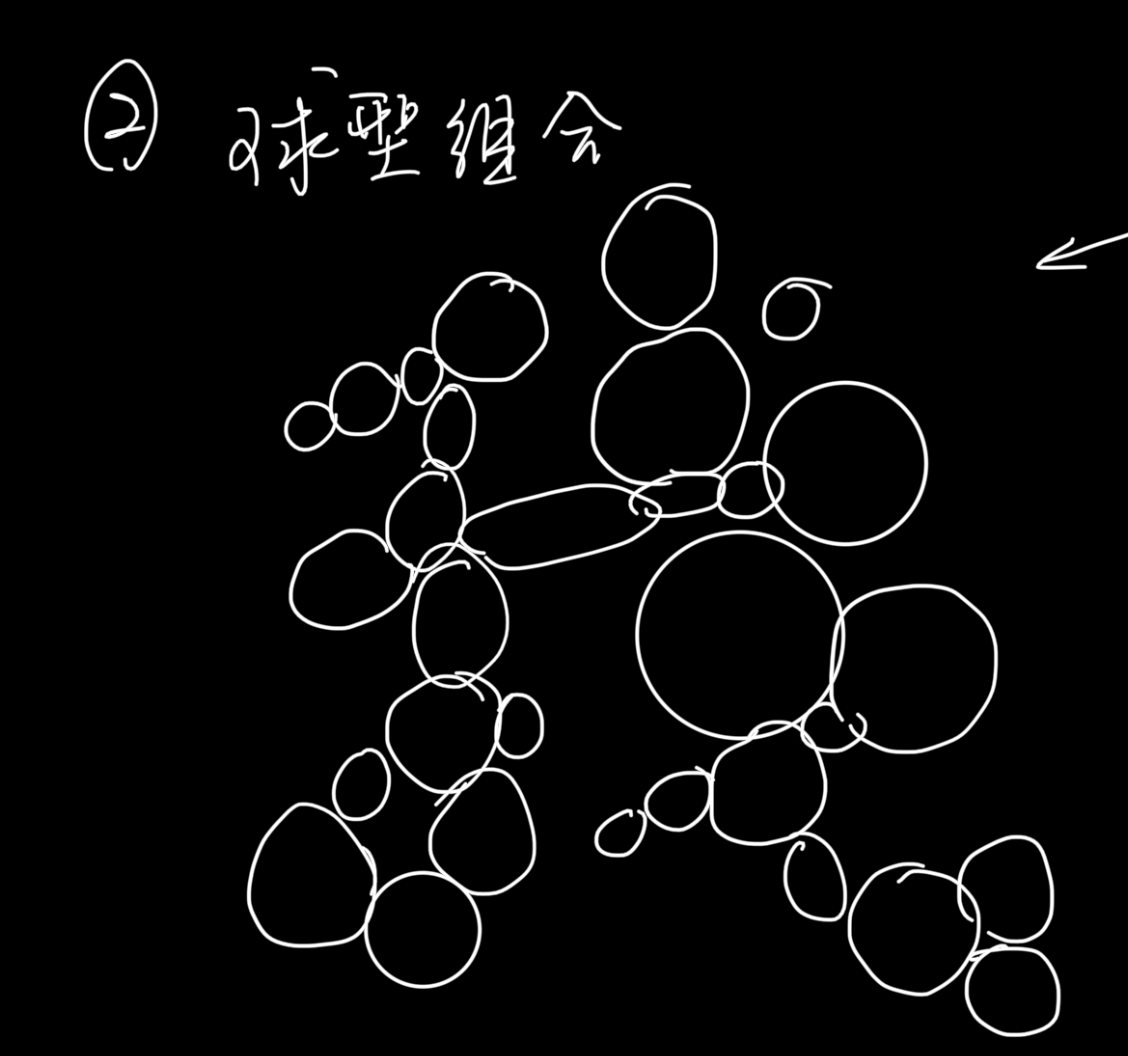
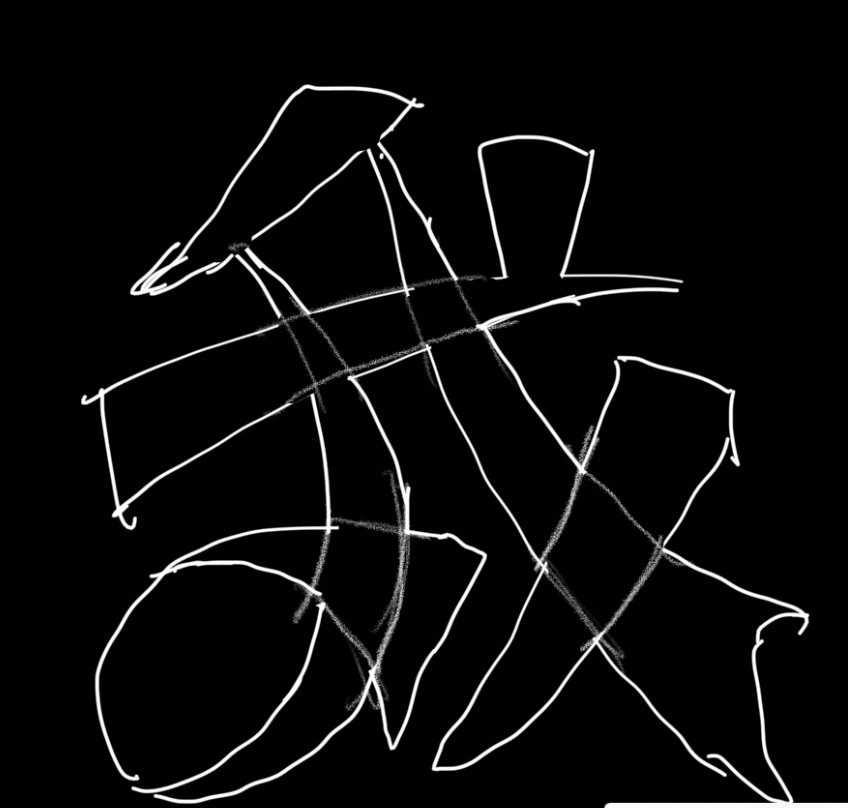
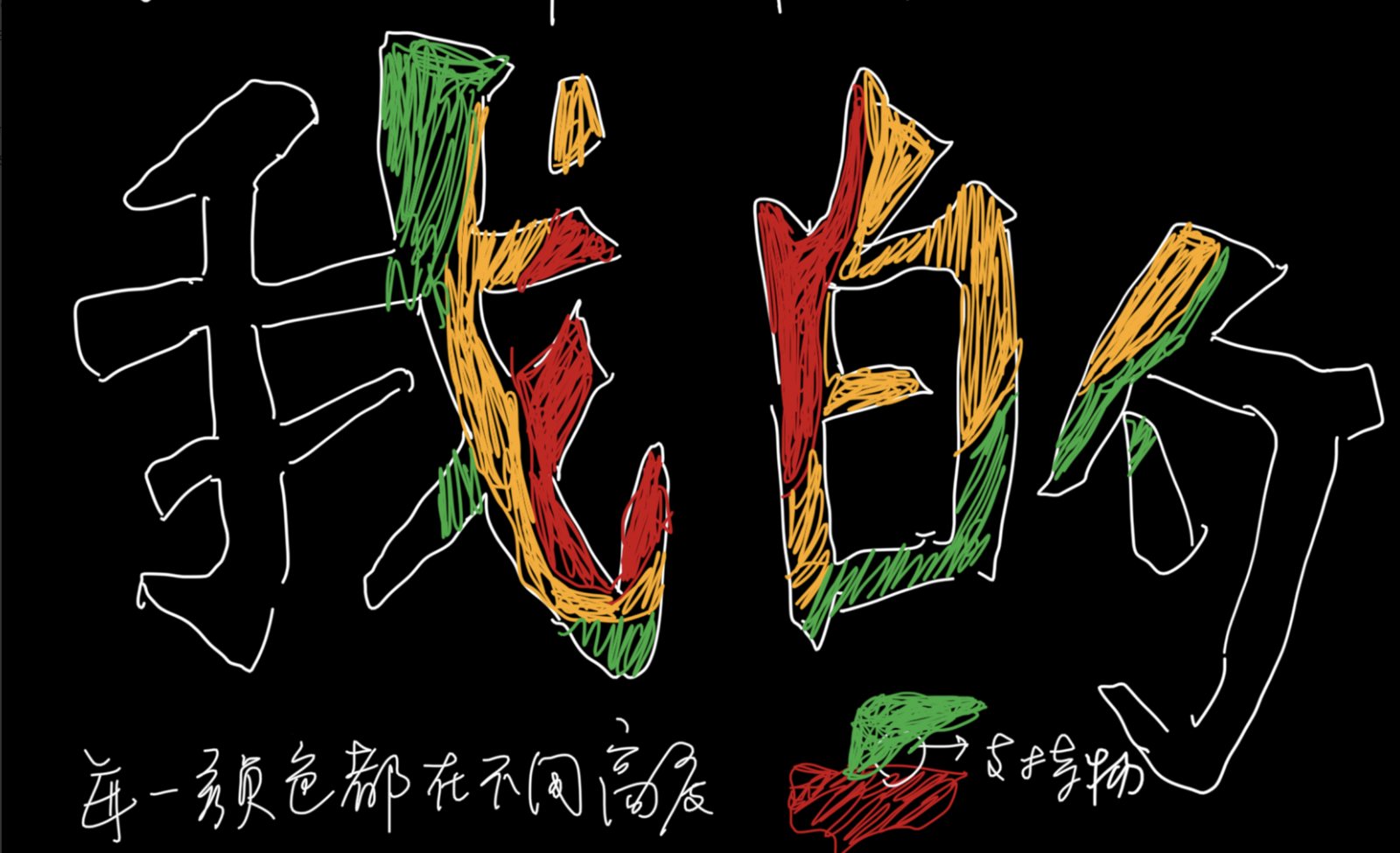
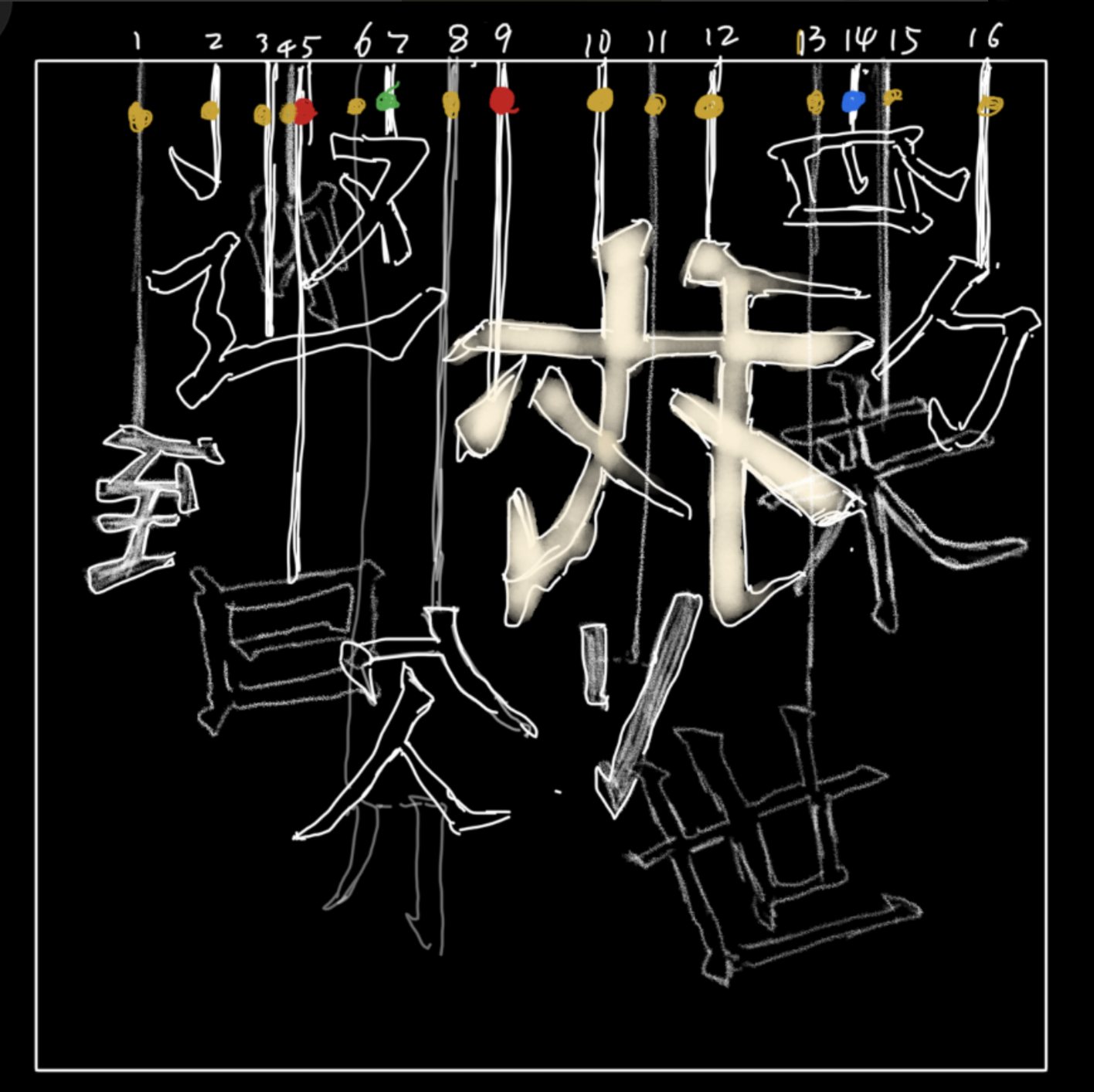
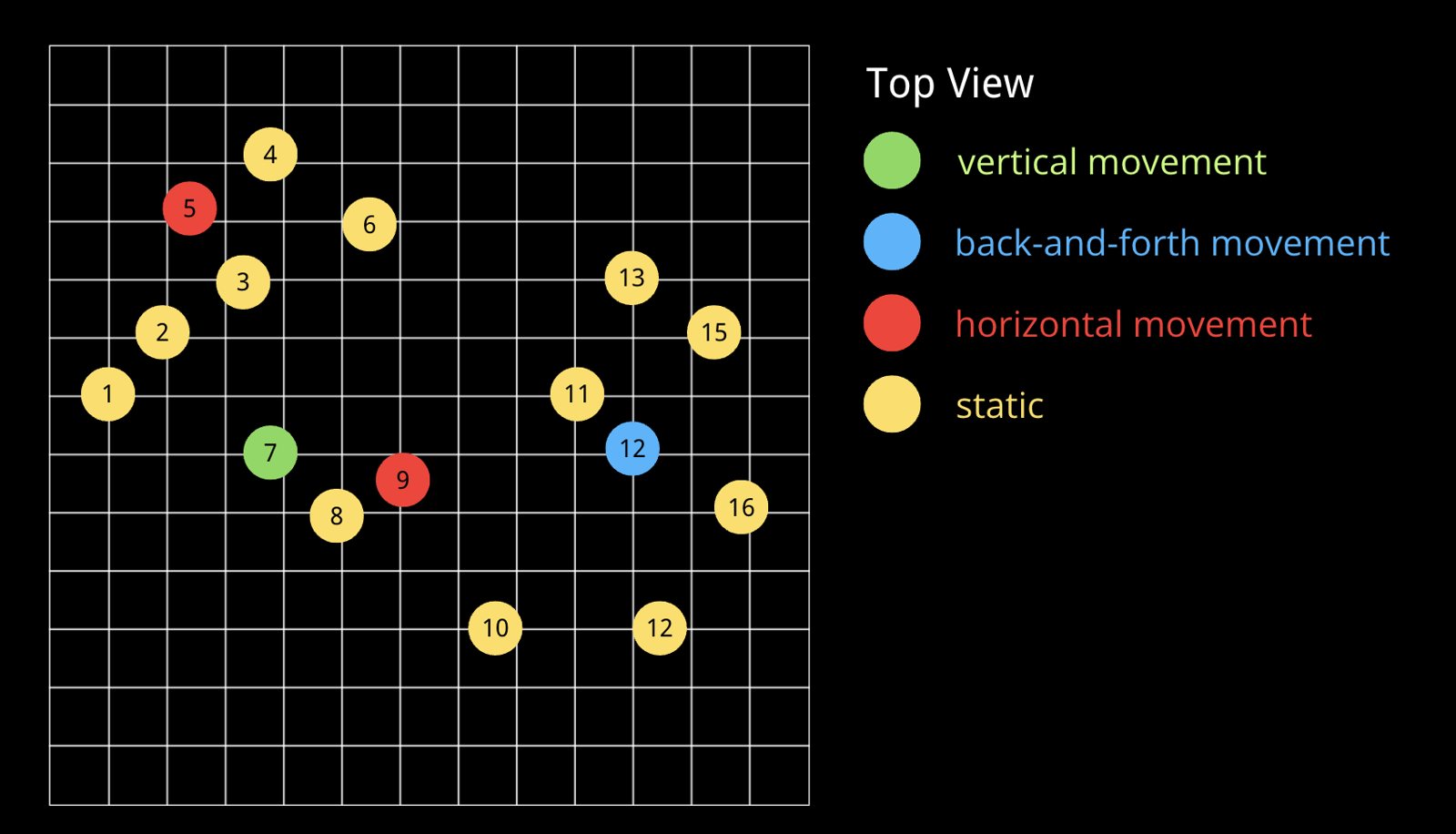
(e)Front view and top view sketch of the installation.
PROTOTYPING
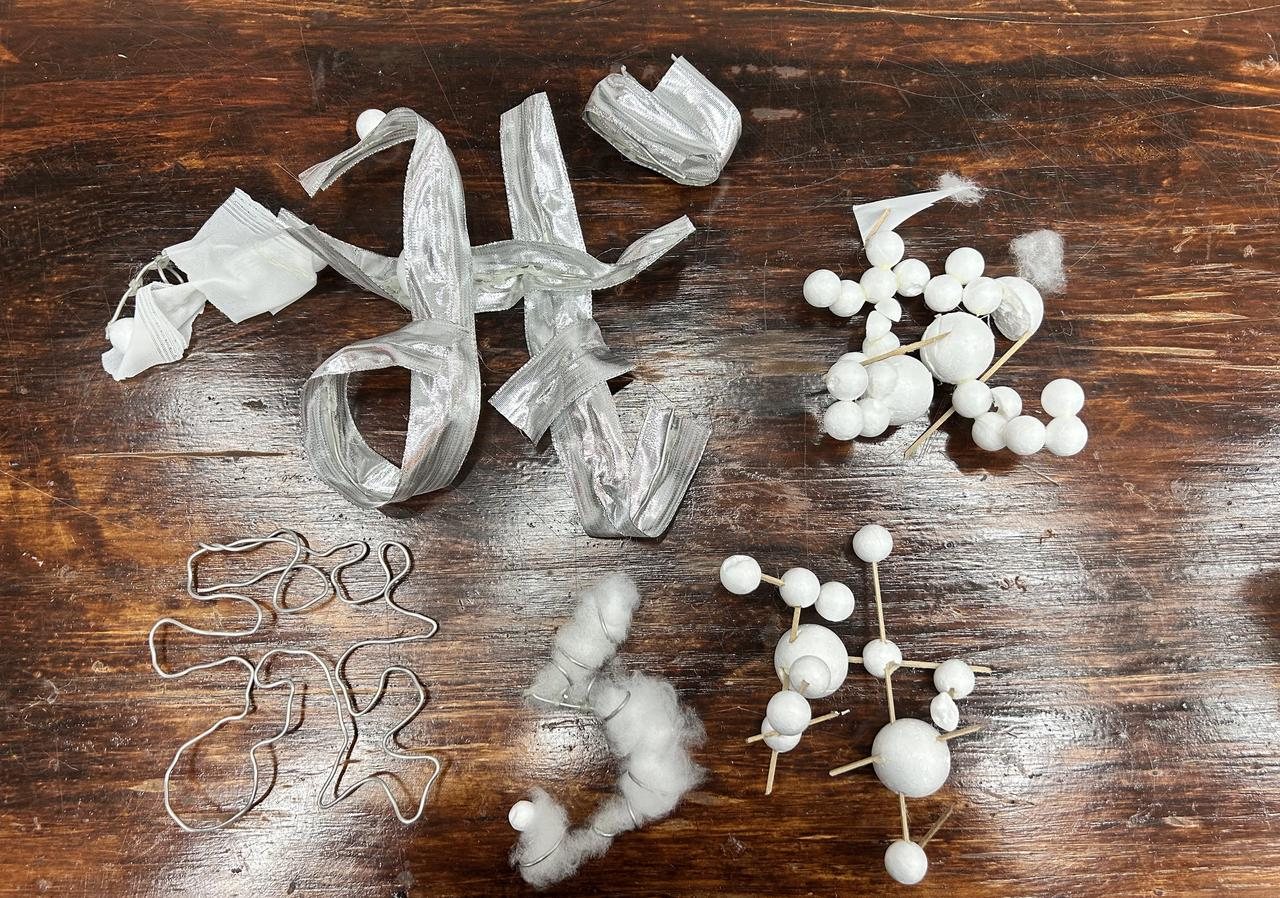
Visual analysis
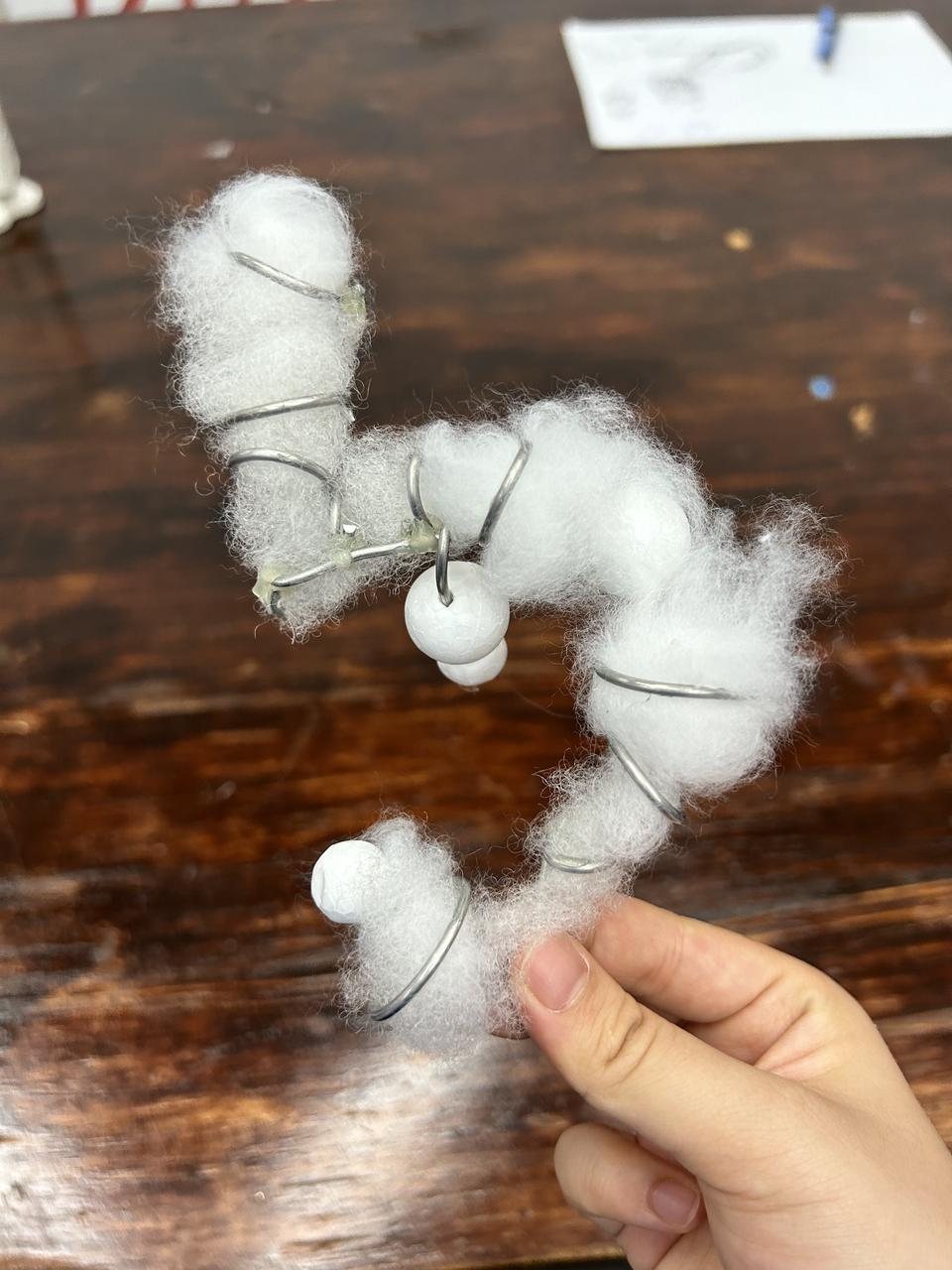
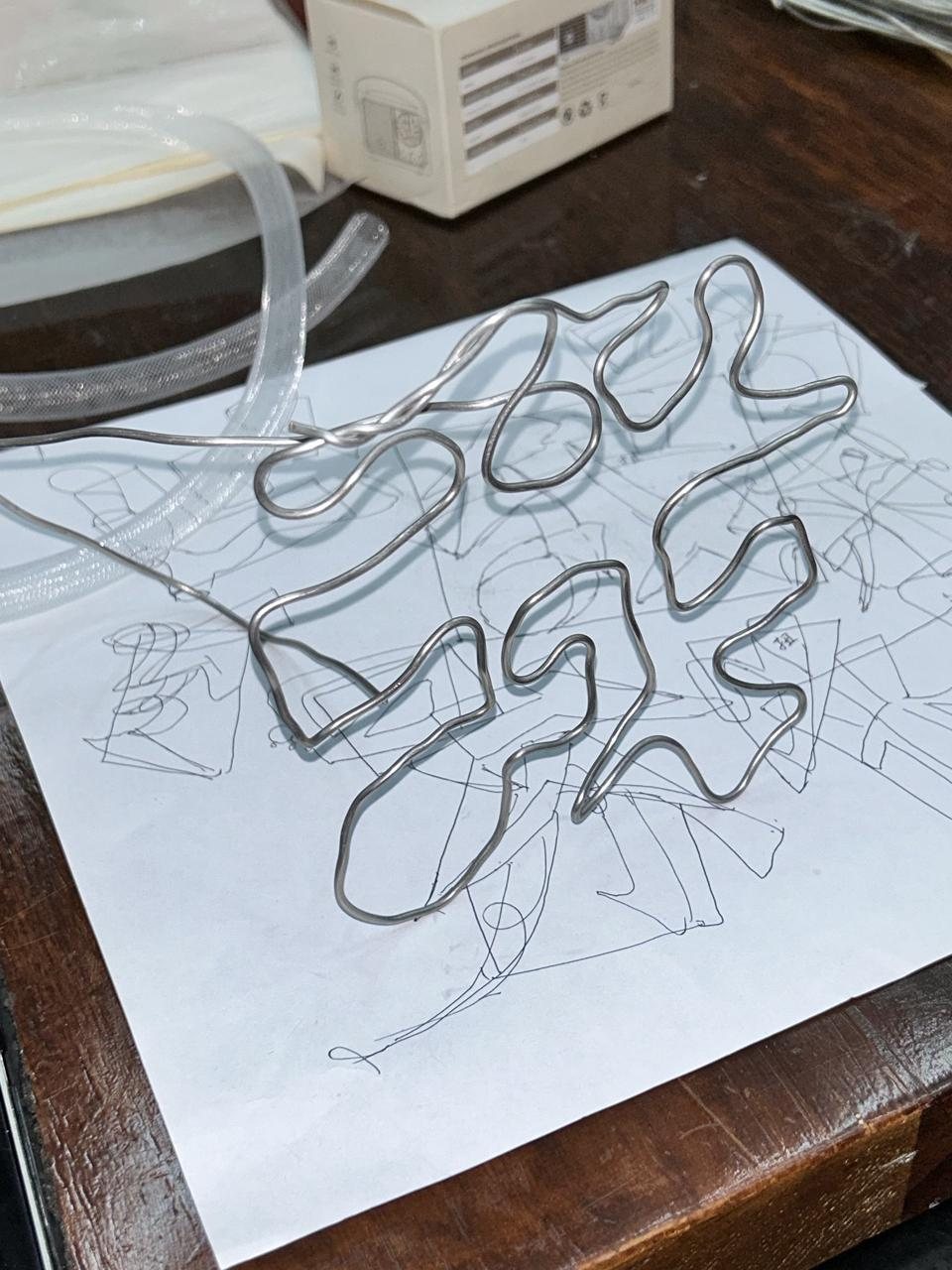
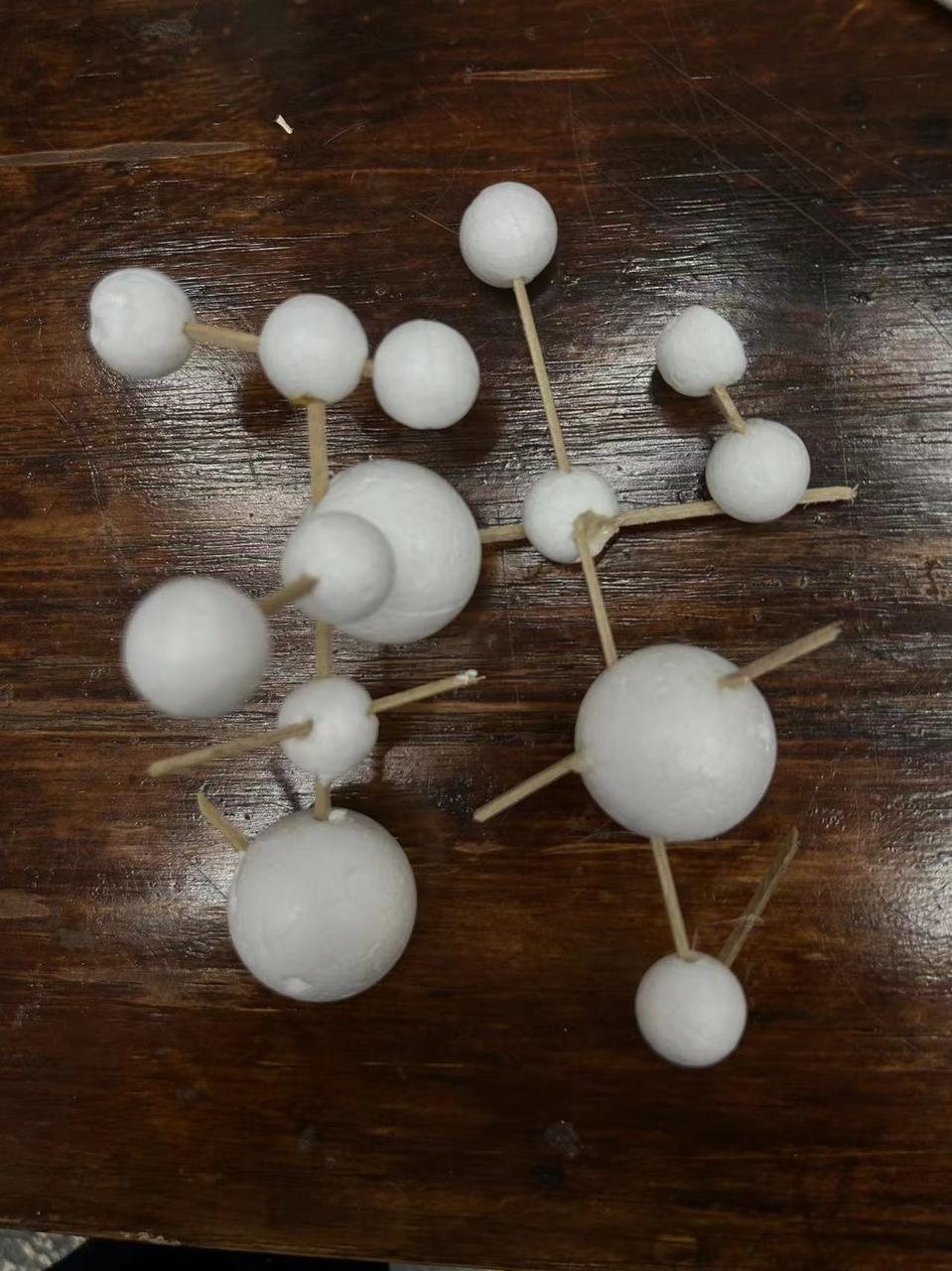
FINAL DESIGN
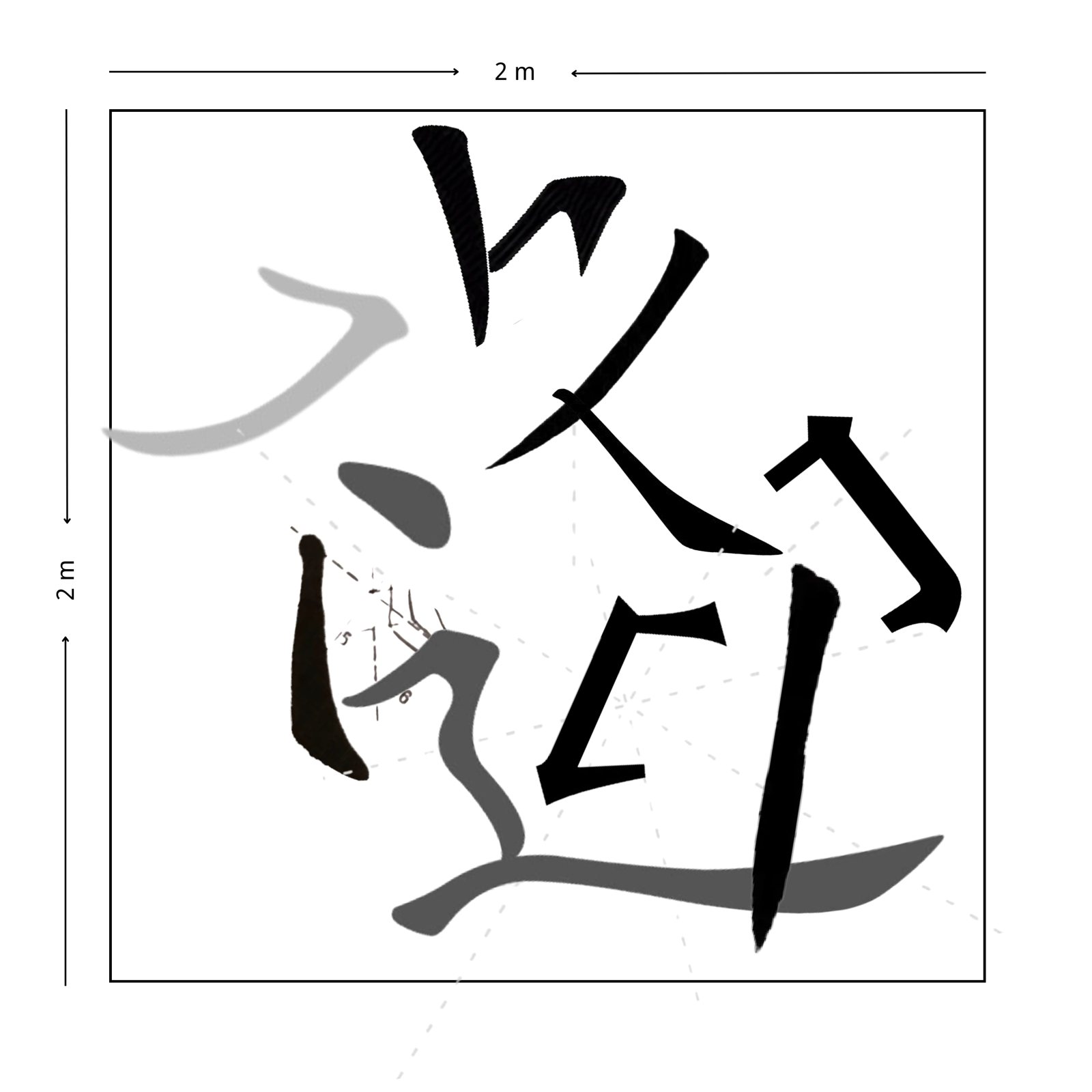
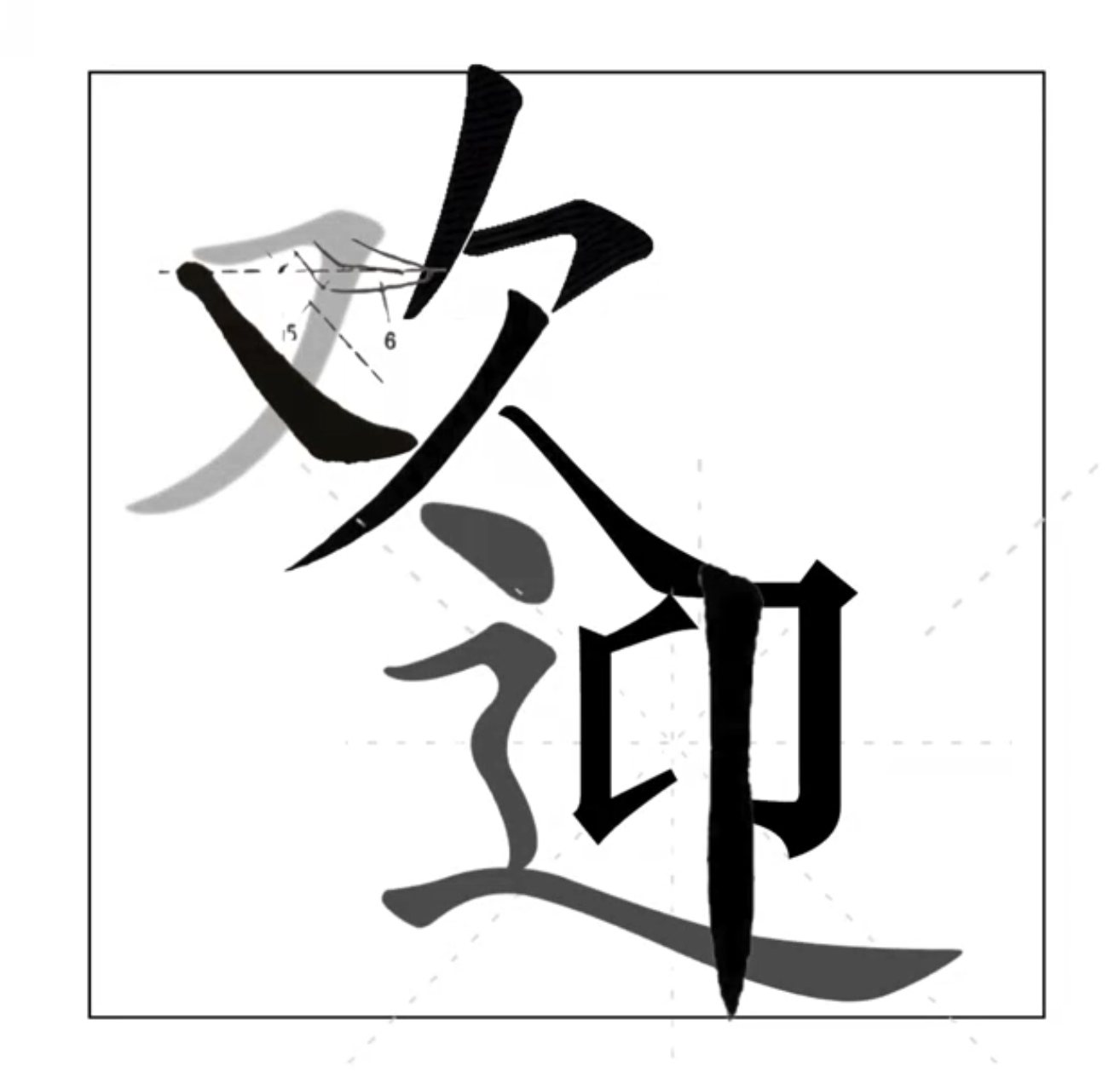
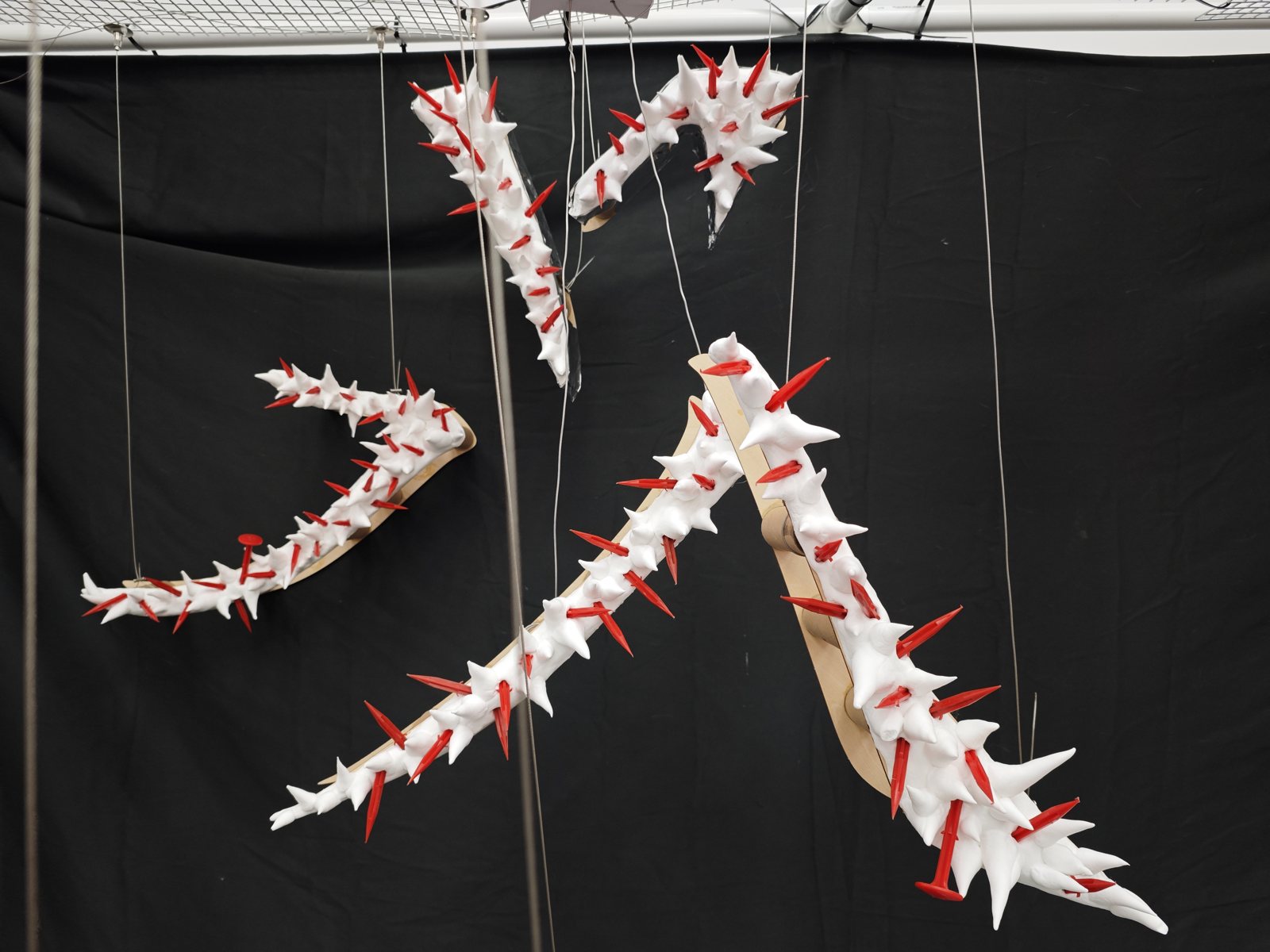
After experimenting with different materials and structures, I decided to cut down the original phrase "欢迎来到我的世界" (Welcome to my world) to just two characters, "欢迎" (Welcome). I believe that this reduction not only promotes flexible thinking but also prevents the character components from colliding during movement.
When designing the motion paths, I experimented with movement in different directions. Through repeated trials, I adjusted the speed to ensure that, at a specific moment during the movement, the chaotic strokes would align into clear, precise Chinese characters—returning to their proper place, readable and neat, as shown in diagram (b).
I envision this as a piece of 4D art. I’ve introduced a fourth dimension: time. The installation doesn’t only exist in three dimensions, where the radicals scatter and occupy different spatial nodes. The mechanical movement in the piece isn’t just for show; it represents the continuous, unrelenting battle dyslexic individuals face when trying to decode Chinese characters. The letters twist and flail before finally, after an agonizingly long cycle, assembling into the word 欢迎. This brief moment of clarity, where the chaos subsides and meaning emerges, mirrors the moments of breakthrough that dyslexic individuals experience after enduring long bouts of frustration and confusion.
CONSTRUCTION
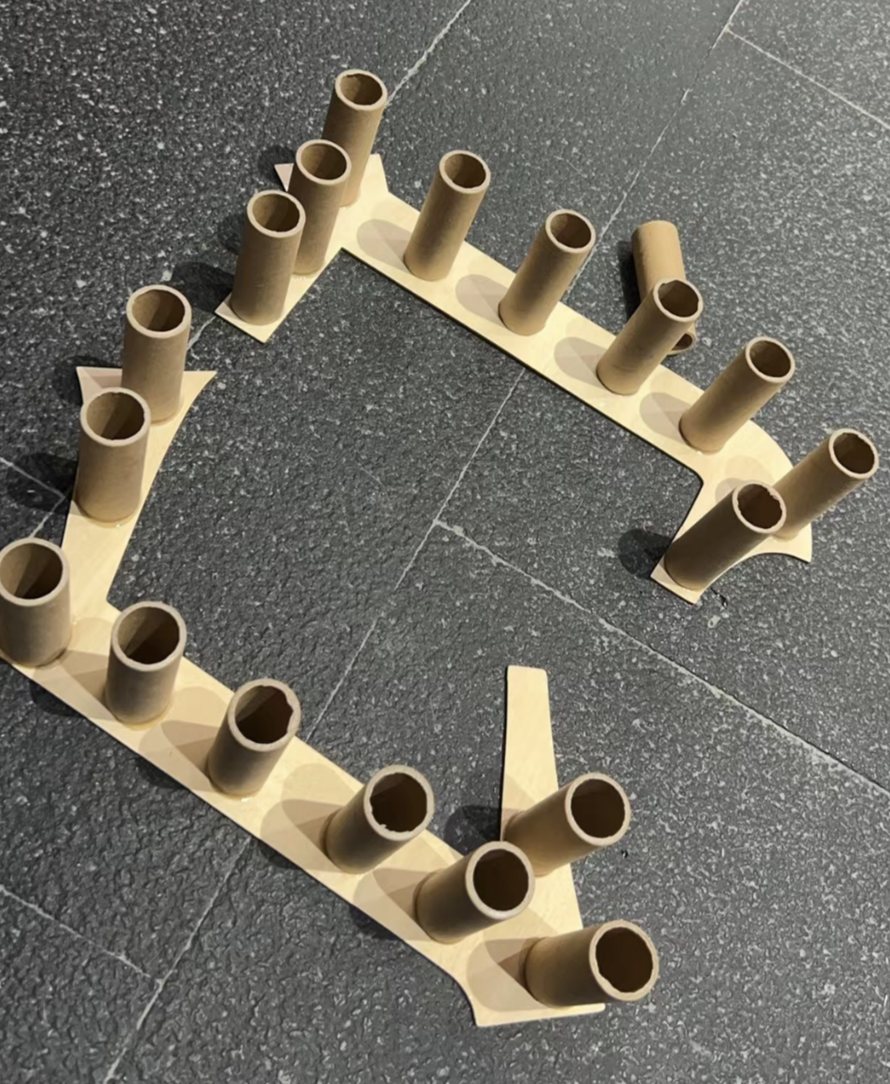
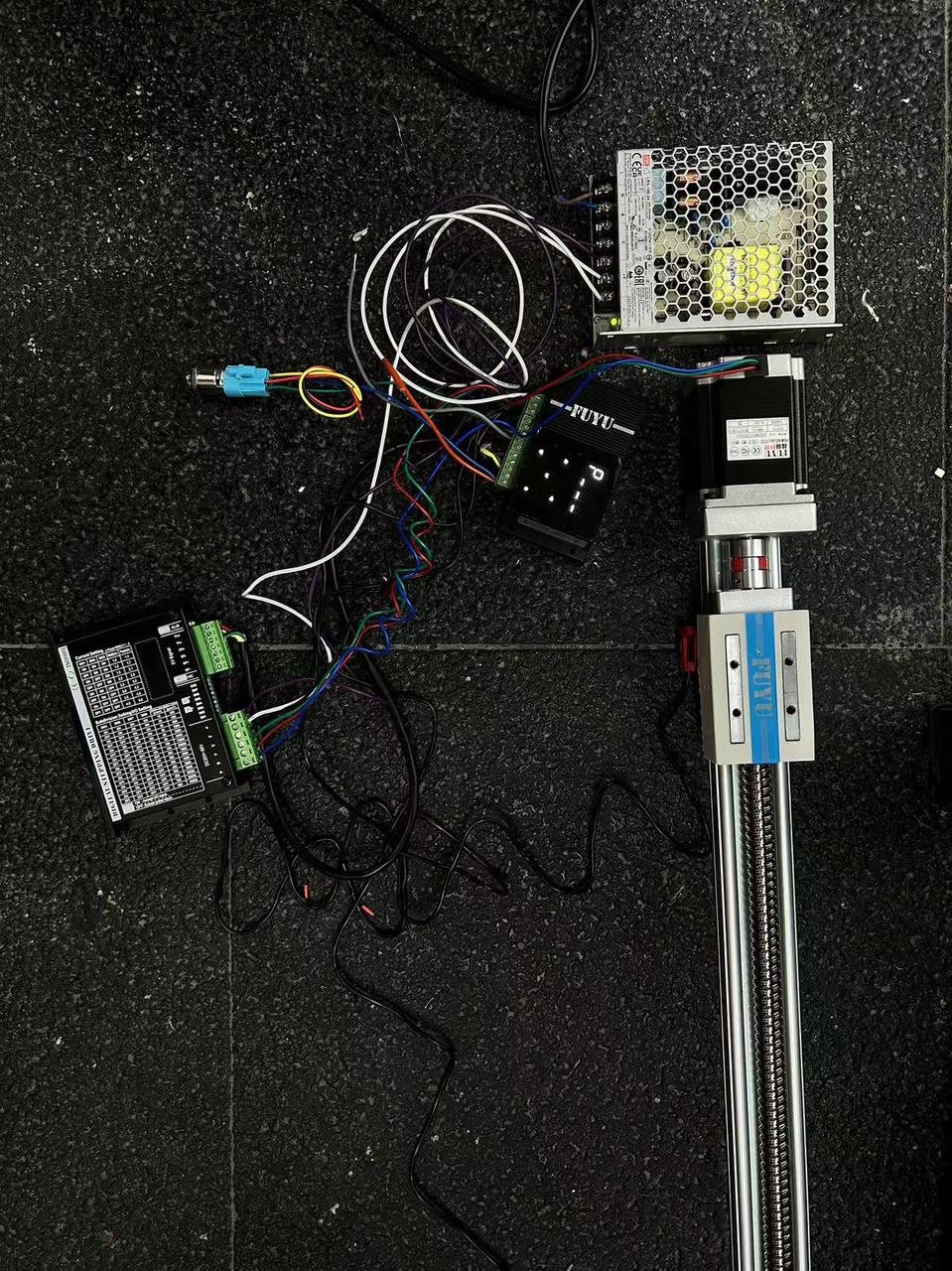
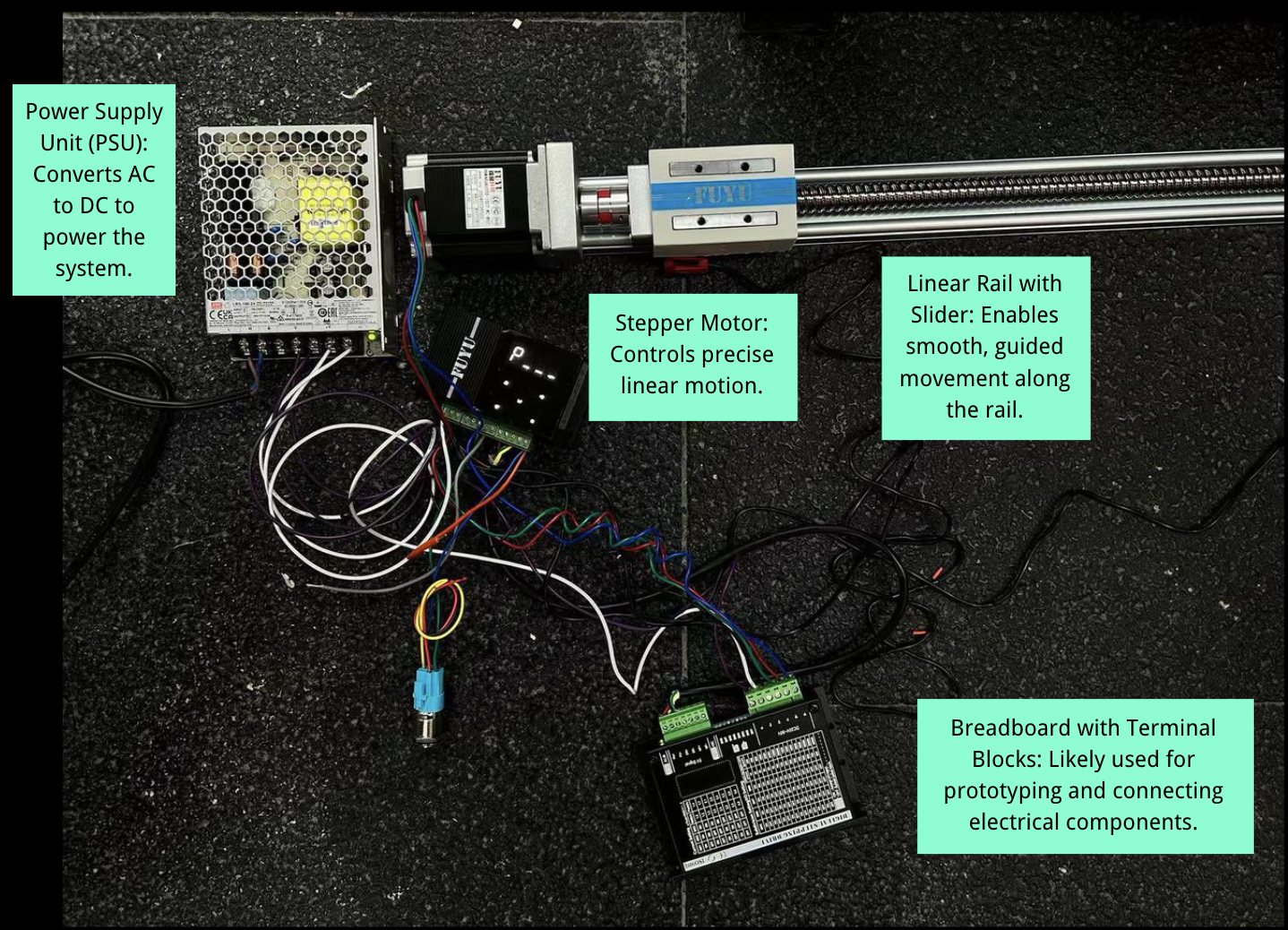
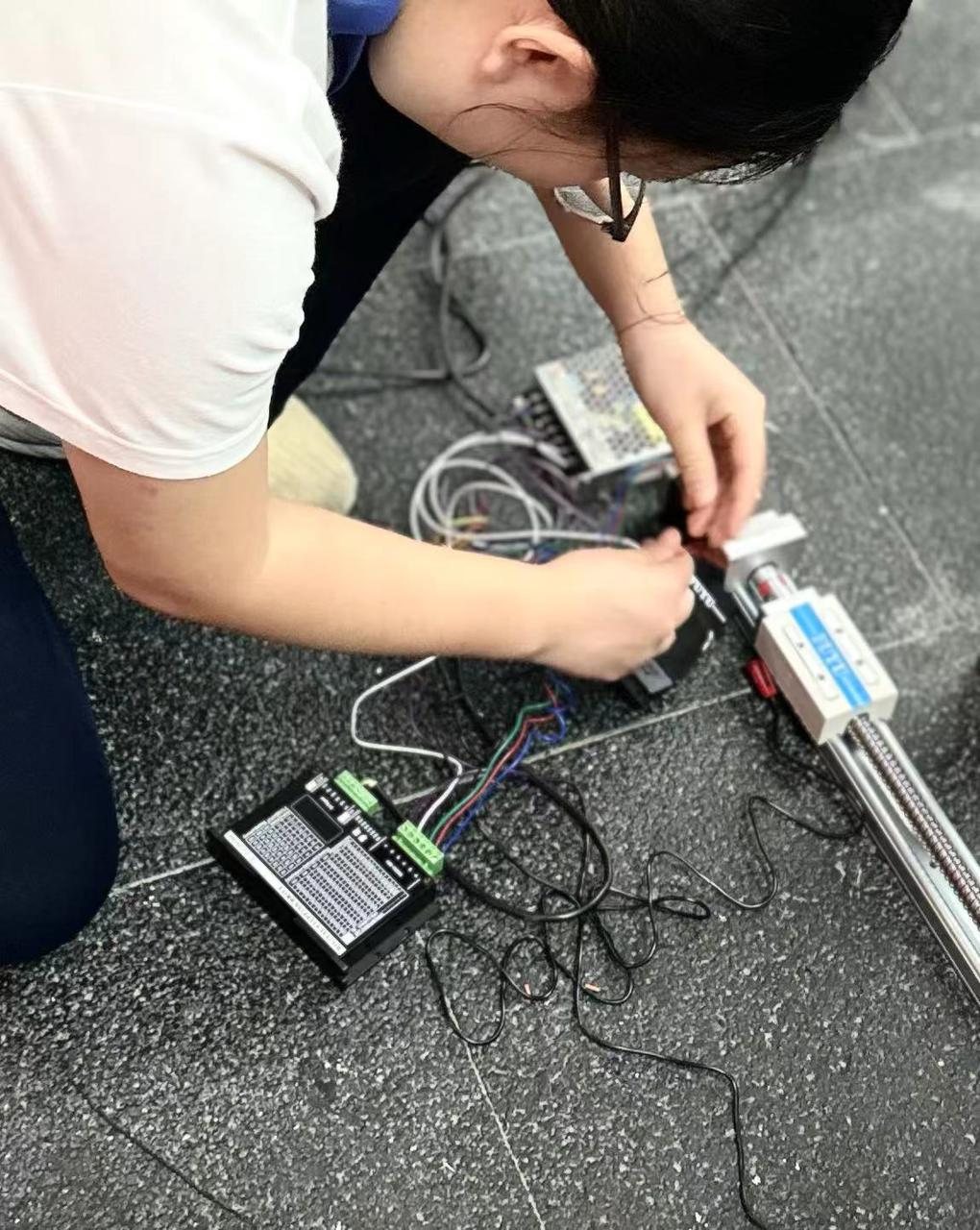
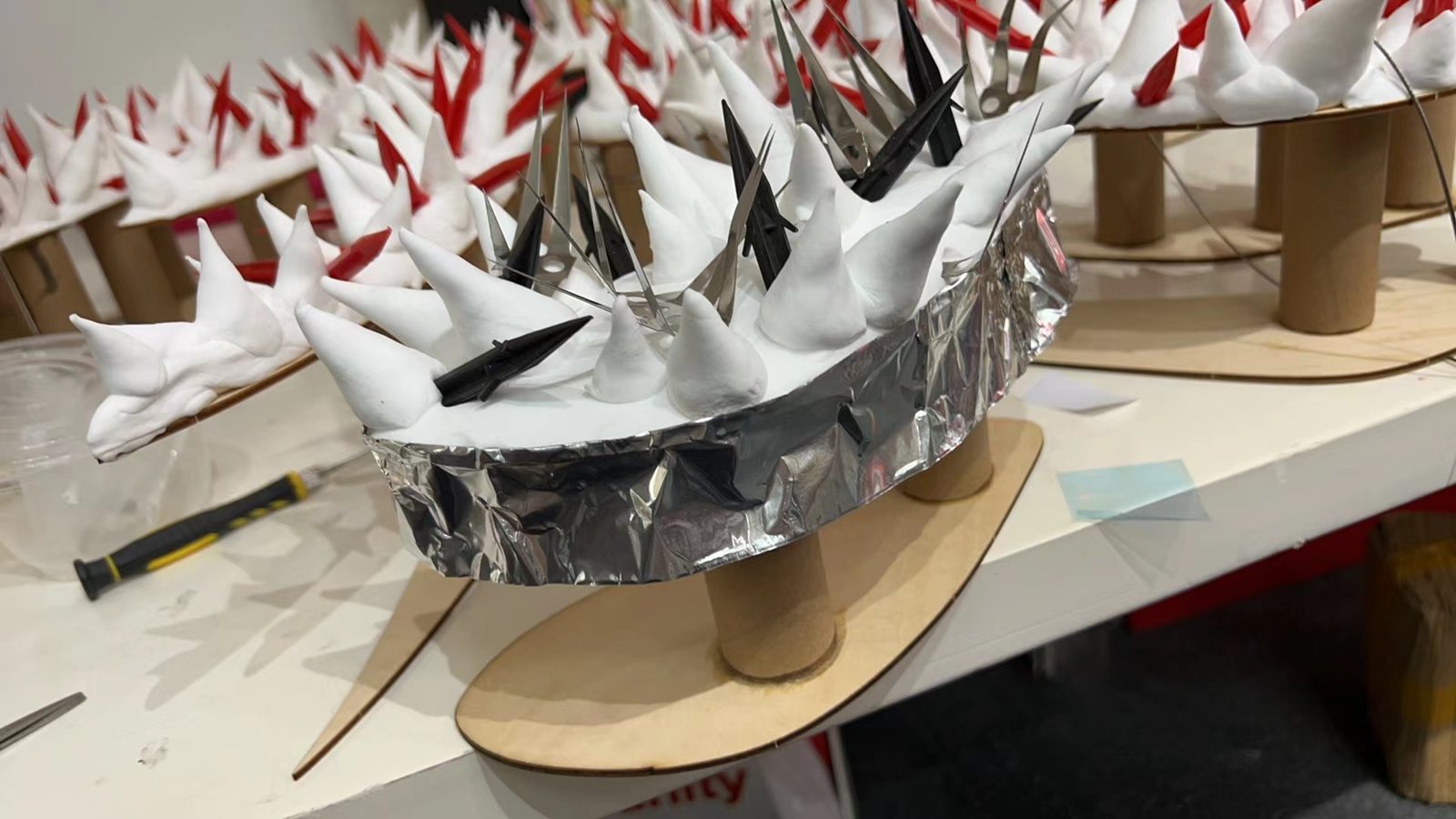
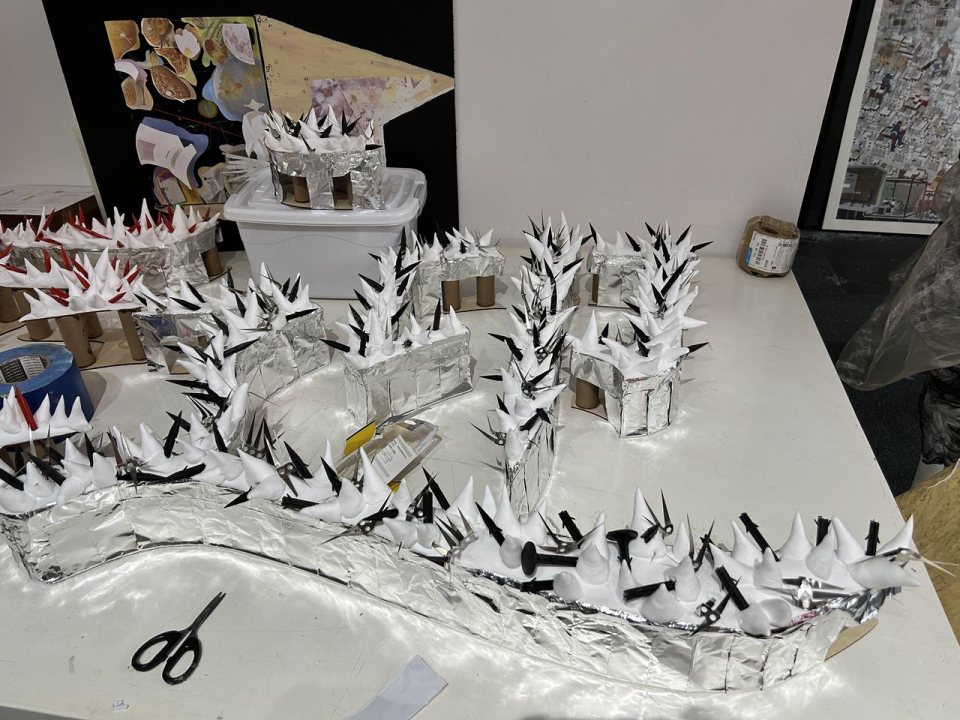
(a) Cardboard tubes are arranged into a framework, setting the structural foundation.
(b) & (b2) The linear motor system is assembled, connecting the power supply, stepper motor, rail, and control components.
(c) Wiring and calibration are carried out to ensure smooth motor operation and precise movement.
(d) Sculptural elements with spiked paper designs are added, creating visual complexity.
(e) The final layout integrates the motor system and sculptural forms, forming an interconnected installation.
FINAL DISPLAY
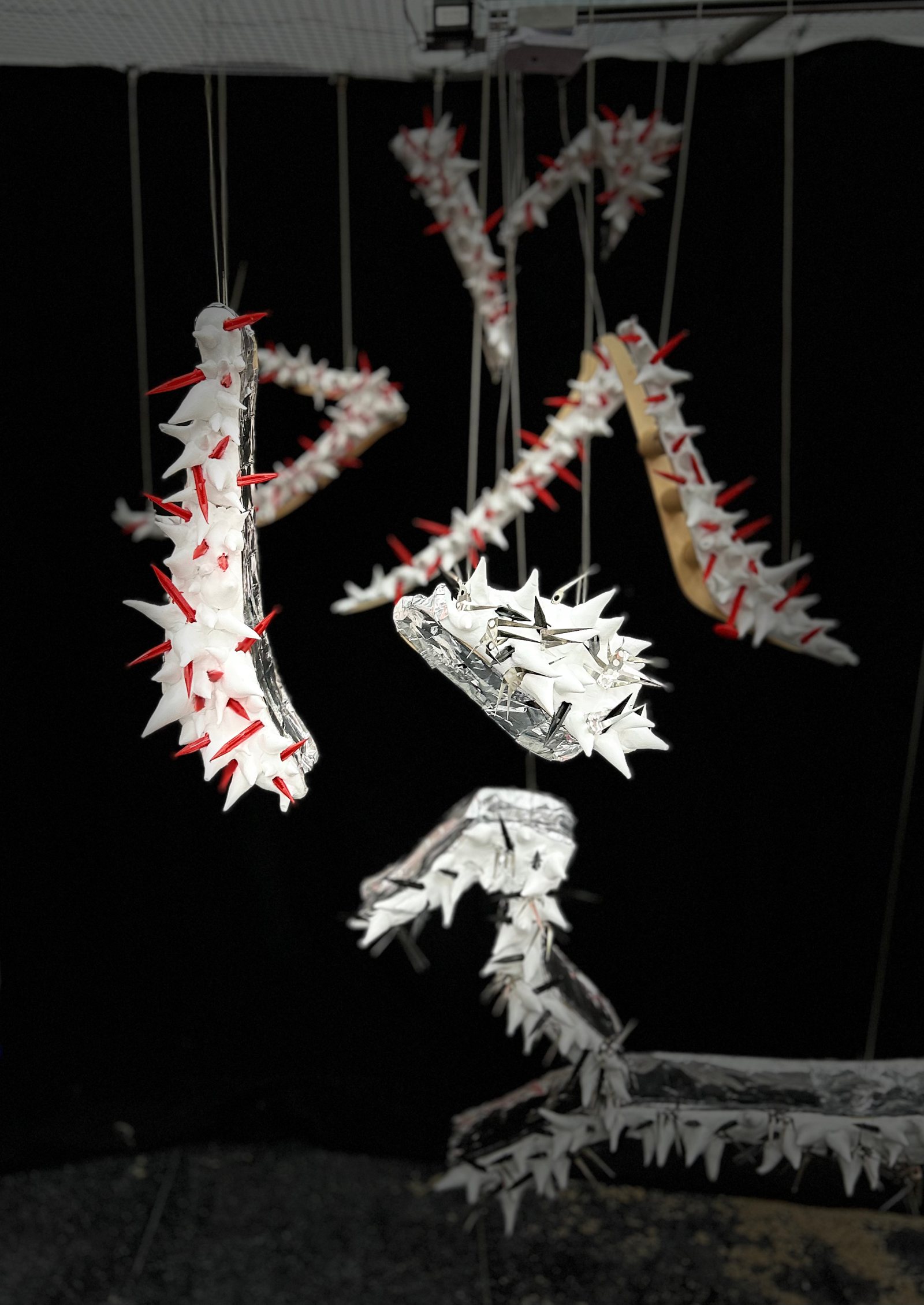
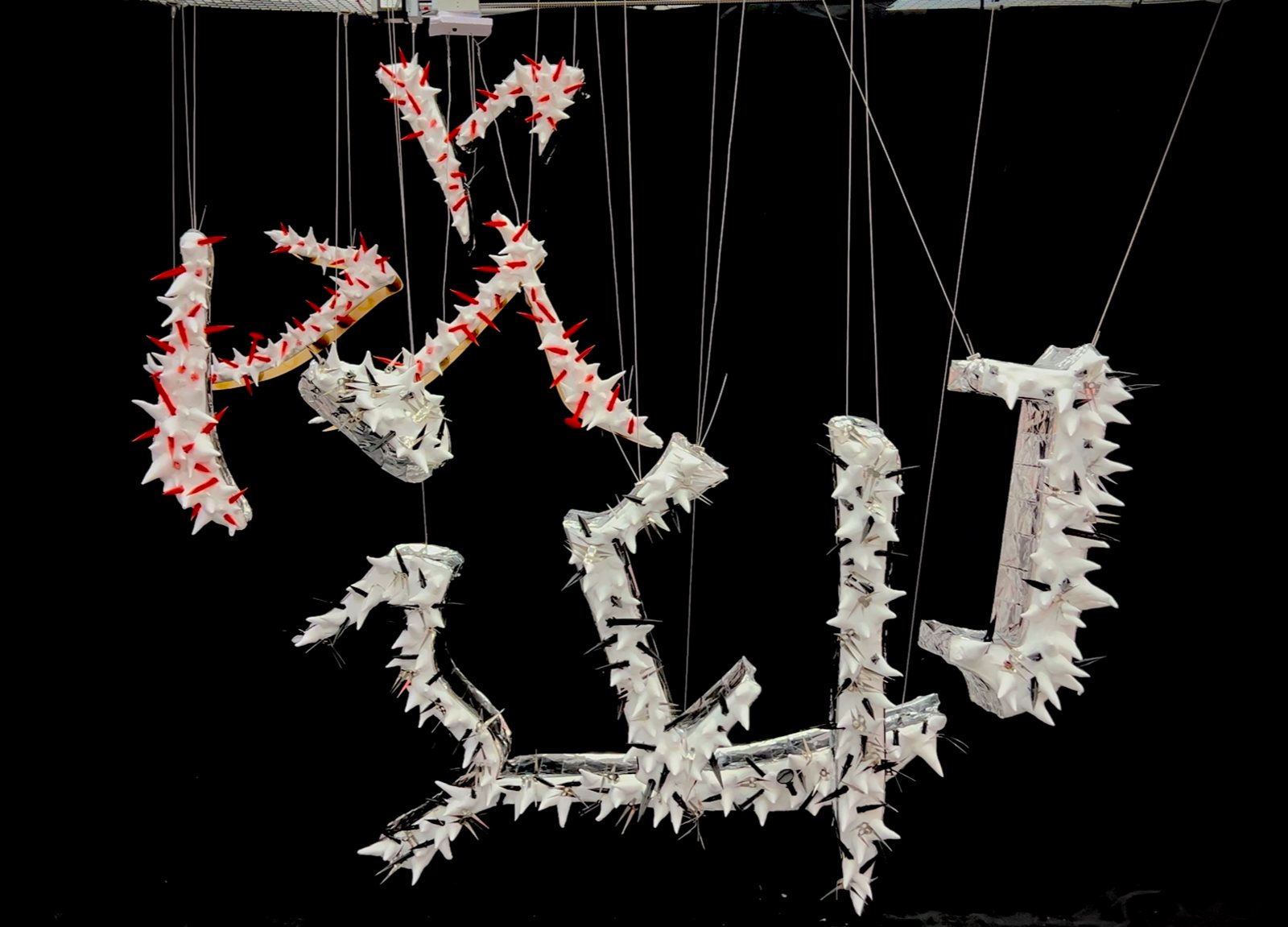
Just as in life, this calm is temporary. The machine doesn’t stop; it begins again, plunging the characters back into disorder. The cycle repeats endlessly, much like the relentless, daily struggle of those with dyslexia—each day a waiting game for meaning to emerge out of the chaos. The installation captures this quiet, ceaseless endurance. A visual representation of the inner storm, the fight for understanding, the friction and tension that dyslexic individuals live with, as they wait, day after day, for those fleeting moments when the words finally make sense.
WORK CITED
- [1] Cao, F., et al. "Neural Signatures of Phonological Deficits in Chinese Developmental Dyslexia." NeuroImage, vol. 146, 2017, pp. 301-11.
- [2] Ho, C. S. H., et al. "The Cognitive Profile and Multiple-Deficit Hypothesis in Chinese Developmental Dyslexia." Developmental Psychology, vol. 38, no. 4, 2002, pp. 543-553.
- [3] Peng, P., et al. "The Deficit Profiles of Chinese Children with Reading Difficulties: A Meta-Analysis." Educational Psychology Review, vol. 29, no. 3, 2017, pp. 513-64.
- [4] Tong, X., et al. "Three-Year Longitudinal Study of Reading and Spelling Difficulty in Chinese Developmental Dyslexia." Dyslexia, vol. 23, no. 4, 2017, pp. 372-86.
- [5] Wang, L. C., et al. "Development of Lexical Tone Awareness in Chinese Children with and without Dyslexia." Contemporary Educational Psychology, vol. 49, 2017, pp. 203-14.